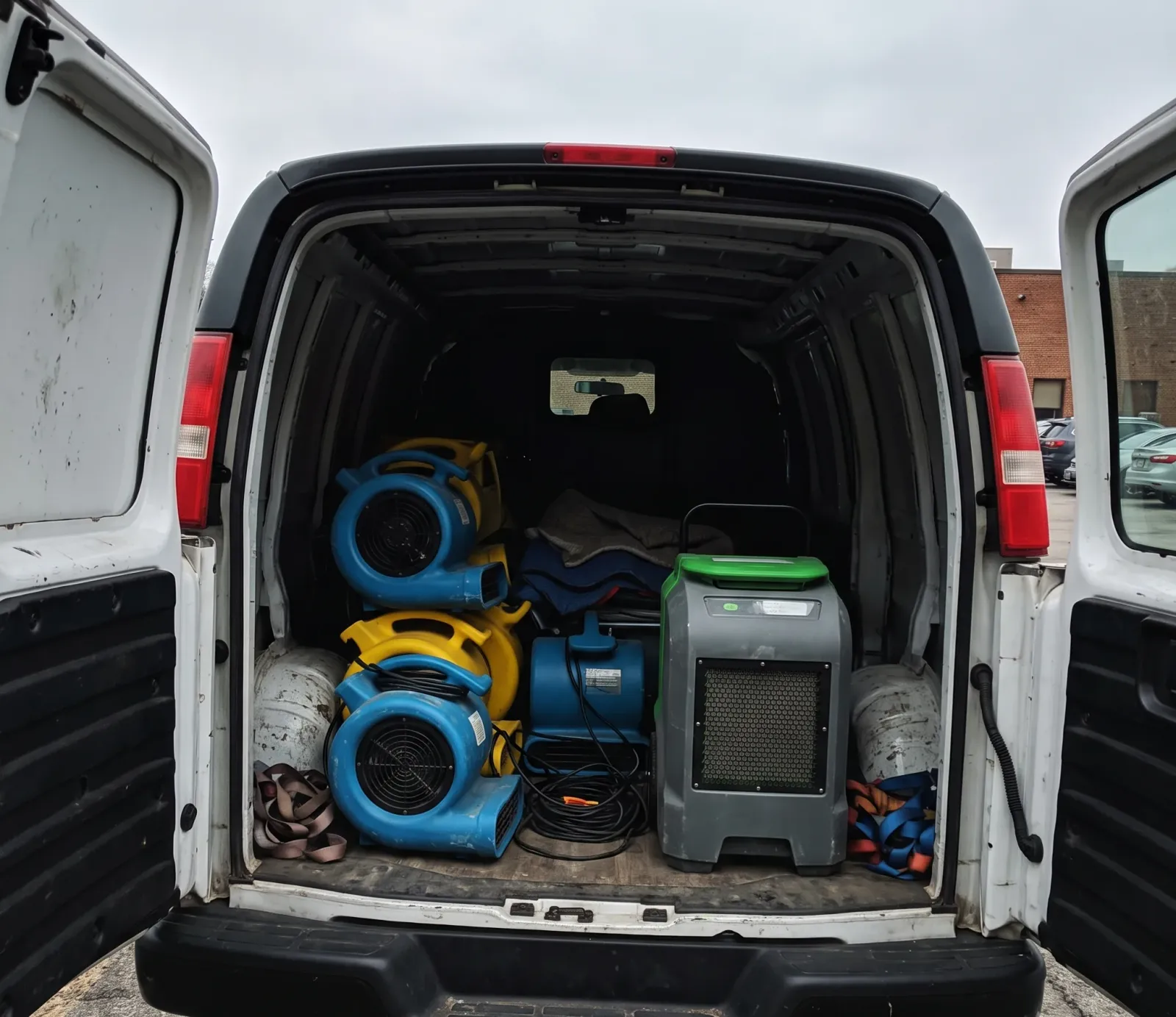
The Work of Removing Standing Water
Rocky River and Coddle Creek are named water features in Concord and can help an owner describe the broader setting of a storm-related call. The extraction decision still depends on water inside the home and the surfaces it reached.
South Union Street and Edgewood are Concord location references that can help place a call. Within a ranch or split-level, room layout and floor transitions shape how the pros we connect you with can reach pooled water.
For a request listed under Concord or elsewhere in Cabarrus, city labels and postal areas may not describe the same service boundary. The pros we connect you with can review the location and tell you whether it is within reach.
Drying Follows Water Removal
- WATER SOURCE
- The owner can note when water was first noticed and whether its visible boundary has changed since then.
- ROOM REVIEW
- Stairs, thresholds, and narrow entries can affect how equipment reaches pooled water.
- SAFE ACCESS
- Depth and surface material help determine whether a pump or wet vacuum suits the collection.
- METHOD PLAN
- The agreed work area sets which pools the pros we connect you with will remove.
- WATER REMOVAL
- The pros we connect you with match equipment to water depth, debris, and surface tolerance; Coddle Creek or Rocky River nearby cannot determine conditions inside a Concord property.
- LEAK STATUS
- Concord has year-round rainfall, so water intrusion can follow a storm in any season. The calendar alone does not guide extraction; the assessor considers the water present, affected surfaces, and room access. Tell them whether rain or another event preceded the intrusion.
- ADDED WORK
- an estimated $250–$1,300
Recognizing Water Intrusion Patterns
Water damage cleanup can describe several tasks, so homeowners may use it as a broad label for extraction. The extraction portion specifically removes pooled water from the agreed work area. The work description shows whether a machine is collecting pooled water or moving air to support drying. Check the task assigned to the equipment; its housing or label alone may not reveal how it is being used on site.
When Wet Areas Are Unsafe
The visit starts with a discussion of the event, then an assessor examines the affected rooms, floor transitions, and access points. They identify visible hazards and map where water has collected. That assessment gives the owner a defined work area and a clear explanation of the planned removal sequence.
Once the work area is agreed, the pros we connect you with match the equipment to the pool and surfaces. Pumps can move larger collections; wet vacuums gather water across accessible areas. They remove standing water within the stated scope, while separate follow-up work may address other needs.
One visit may cover extraction when the affected area is accessible and the work ends with water removal. If damp floors or other materials need moisture checks or drying equipment afterward, ask what follow-up is included and who will arrange it.
VISIBLE PUDDLES AND HIDDEN DAMP CALL FOR DIFFERENT STEPS
| Safe Access |
Water Extraction |
|---|
| Indoor water after heavy rainfall | Contamination scope review |
| Pooled water returns to cleared rooms | Bakers Creek Park notes |
| Standing water in disconnected parts of the home | Water pumped out; drying gear may follow |
WORK BOUNDARIESThe supplied North Carolina facts identify no state credential for extraction-only work and no extraction-specific invoice form. Ask the invoice to name the water-removal task and rooms addressed, with any repair work shown as a separate scope.
What Water Removal Can Establish
Water left pooled can move through doorways and beneath stored belongings, reaching more floor area over time. That can enlarge the removal area and make access harder. The owner should describe the spread when arranging a visit so the assessor can account for connected rooms.
Tell the Pros About Active Leaks
From a dry doorway, note which rooms have visible water and whether a leak is still running; share those observations when scheduling. If a shutoff cannot be reached along a dry route, leave it alone. Do not lift flooring or shift heavy furniture to expose hidden water; let the assessor evaluate access.
Let Qualified Pros Check Unsafe Conditions
Water near an energized appliance or outlet is a stop sign. Wet hands can make contact with electrical controls more hazardous. Alert the assessor to the concern before anyone handles extraction equipment.
What Tools Draw Water Out Of Rooms?
Ask the pros we connect you with to base their estimate on how much water must be removed and which parts of the property are included.The licensed pros we connect you with can assess which materials in the affected area need removal. A ranch and a split-level can take different extraction work as water spreads across materials and access changes. Request a written estimate for the affected area and removal scope; drying and source repairs need separate planning.Find the factors behind the total and its ranges in the pricing guide.