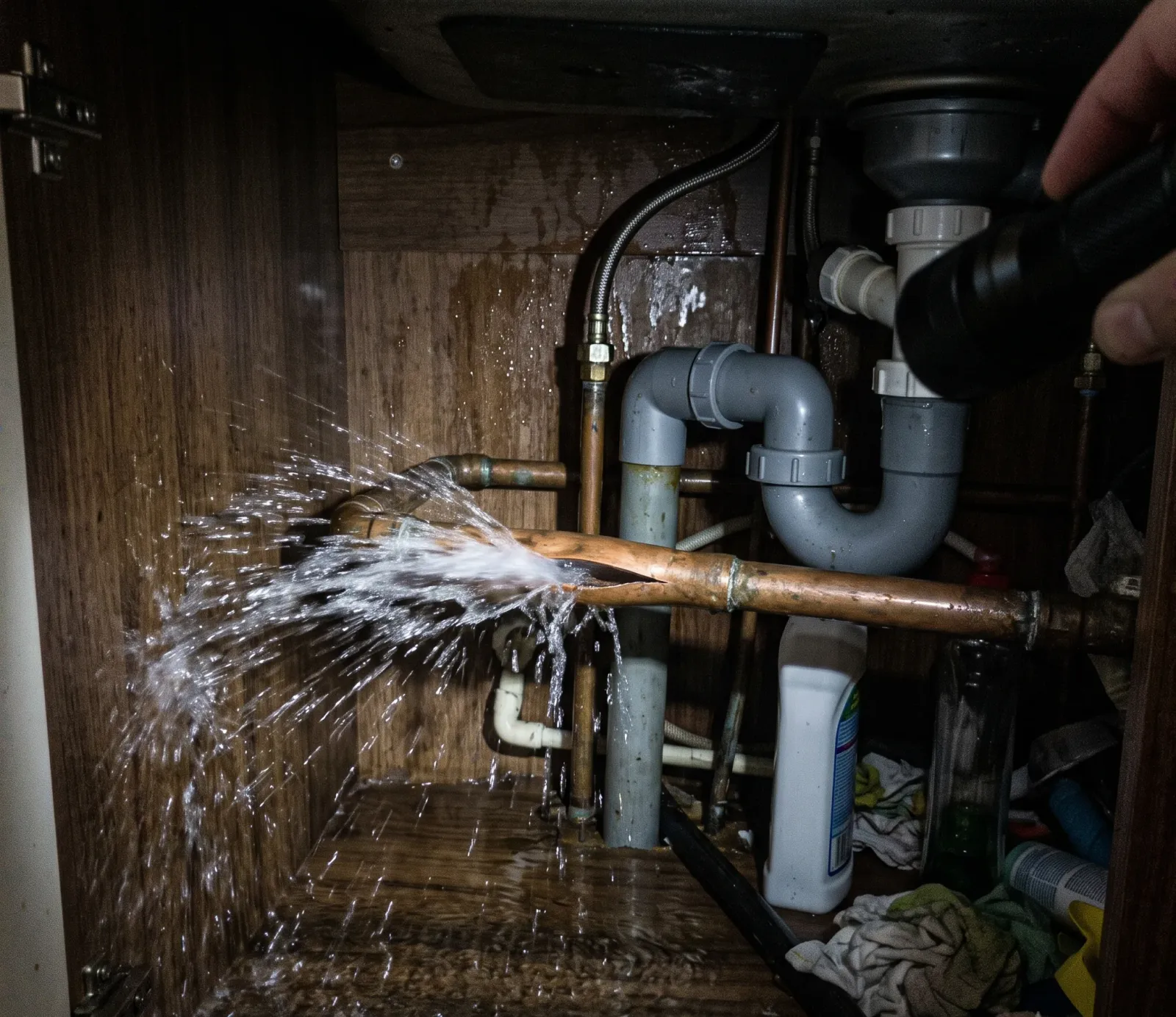
The Consequences of Water Left in Place
Pooled water is only one part of cleanup; nearby materials may also need moisture checks. That is outdoor water context; a burst supply line is an indoor source, so the first useful detail is where the pipe released water.
A Concord caller can use a nearby reference such as North Union Street or Edgewood to help describe an address. For extraction, the key details are still the broken pipe’s room and the surfaces water reached; those guide the indoor assessment.
Across Concord and Cabarrus, a postal label can point to a broader area than a service map does. Nearby homes can fall on opposite sides of a service boundary.
Flood Exposure Takes Address Checks
- Leak Origin
- Water can cross a threshold before the full spill is visible; note which adjoining rooms show damp flooring.
- Visible Reach
- A damp rug may hold moisture against the floor below even when its upper surface looks nearly dry.
- Entry Safety
- Soft or raised boards near the break may need moisture checks after pooled water is removed.
- Water Pickup
- Extraction clears standing water but does not stop a leak; report any source that is still releasing water.
- Material Check
- Record the rooms and surfaces checked, along with any moisture findings, for the owner’s records.
- LEAK STATUS
- Cold snaps can make vulnerable plumbing more likely to split, but indoor pipe failures can happen in warmer months too. The season may explain timing; the water’s path across floors and trim determines what needs assessment.
- ADDED WORK
- an estimated $250–$1,300
The Limits of Emergency Water Removal
Plumbing repair stops water escaping from the damaged line. Extraction deals with water already on floors or other surfaces, so the two tasks address different stages of the same incident. Look at the written work description: plumbing repair should identify work on the failed pipe or connection, while extraction should list removal of water from affected areas. If both appear, ask which tasks are included in each part of the estimate.
Removing Pooled Water from Interiors
The provider checks that the leak has stopped, evaluates access and electrical concerns, then maps visible water across the affected rooms. That first inspection helps set the removal area and identify surfaces, thresholds, or belongings that should be included in the work record.
The licensed pros we connect you with can note where water reached before removing it. Afterward, moisture checks can cover nearby flooring, trim, rugs, or cabinet bases; results help determine whether drying equipment is needed as follow-up work.
One visit may cover extraction when the affected area is accessible and the work ends with water removal. If damp floors or other materials need moisture checks or drying equipment afterward, ask what follow-up is included and who will arrange it.
WHAT PUMPS CAN CLEAR BEFORE DRYING EQUIPMENT IS NEEDED
| Work Records |
Work Scope |
|---|
| Water gathered around room contents | Written work records |
| Another rise after the first drawdown | Back Creek context |
| Pooling in rooms that do not adjoin | Extract pooled water; set equipment for drying |
Keep Children and Pets Away
If the pipe’s shutoff is reachable without stepping into water, close it. From a dry place in the Concord home, note the break’s location and which rooms or surfaces look wet; mention whether water reached flooring, trim, or belongings when contacting a provider. Do not cross a wet area to investigate or run equipment.
Keep Clear When Floors Feel Unstable
If water reaches outlets or powered equipment, stay out of the wet area until electrical safety is clear. After shutting off the pipe, tell the pros we connect you with where it broke and how far water spread. In Concord, damp flooring, wet trim, or moisture beyond the break can point to materials needing checks after extraction. Take photos of affected surfaces before cleanup to preserve a record of visible damage.
What Tools Draw Water Out Of Rooms?
Ask the pros we connect you with to base their estimate on how much water must be removed and which parts of the property are included.The licensed pros we connect you with can assess which materials in the affected area need removal. A ranch and a split-level can take different extraction work as water spreads across materials and access changes. Request a written estimate for the affected area and removal scope; drying and source repairs need separate planning.Review the cost drivers and full ranges in the pricing guide.