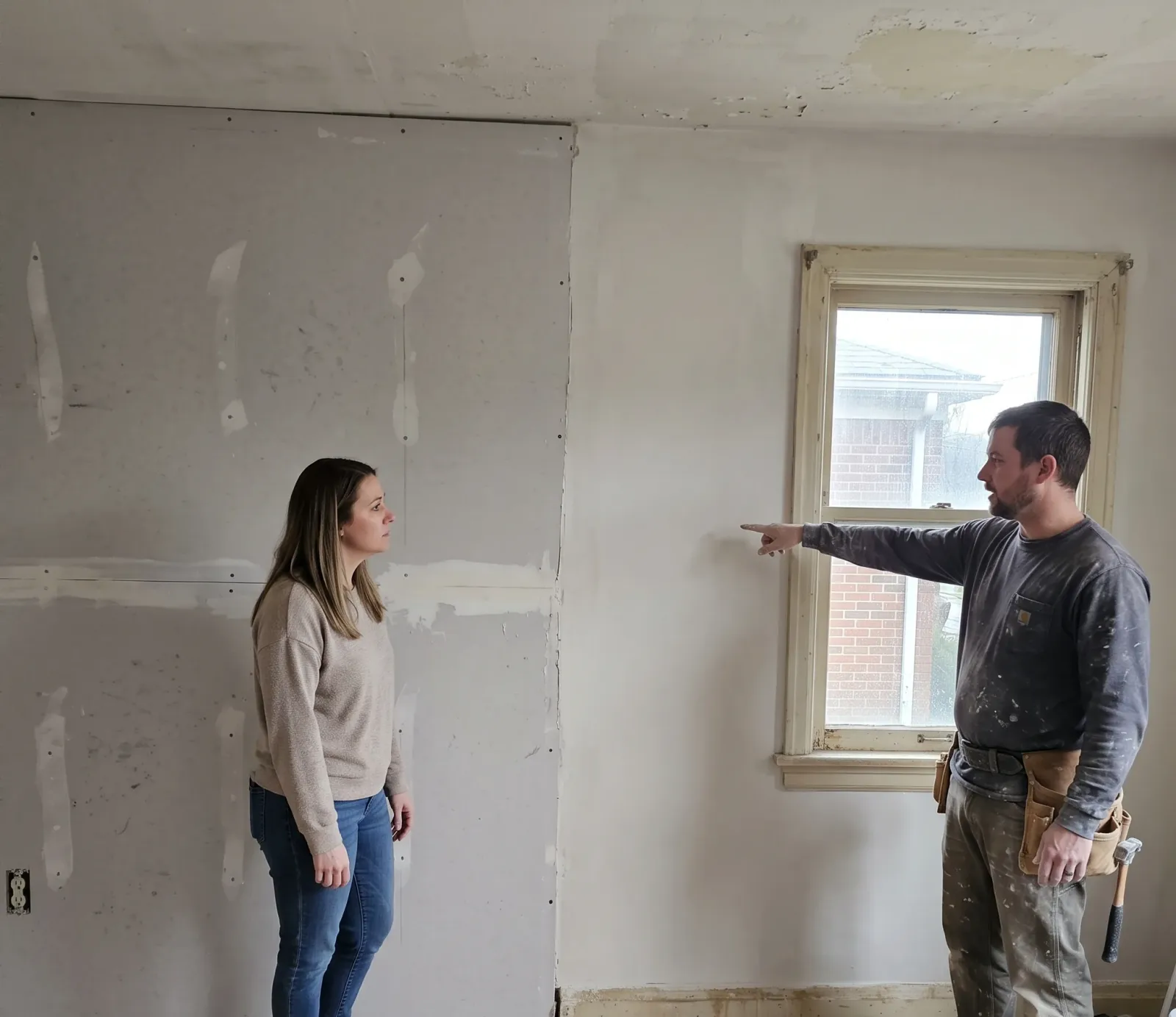
Walking Through Standing Water
Learn when electrical uncertainty or hidden floor hazards make walking through standing water unsafe, and how to keep people clear while a professional plans a safe assessment.
Read article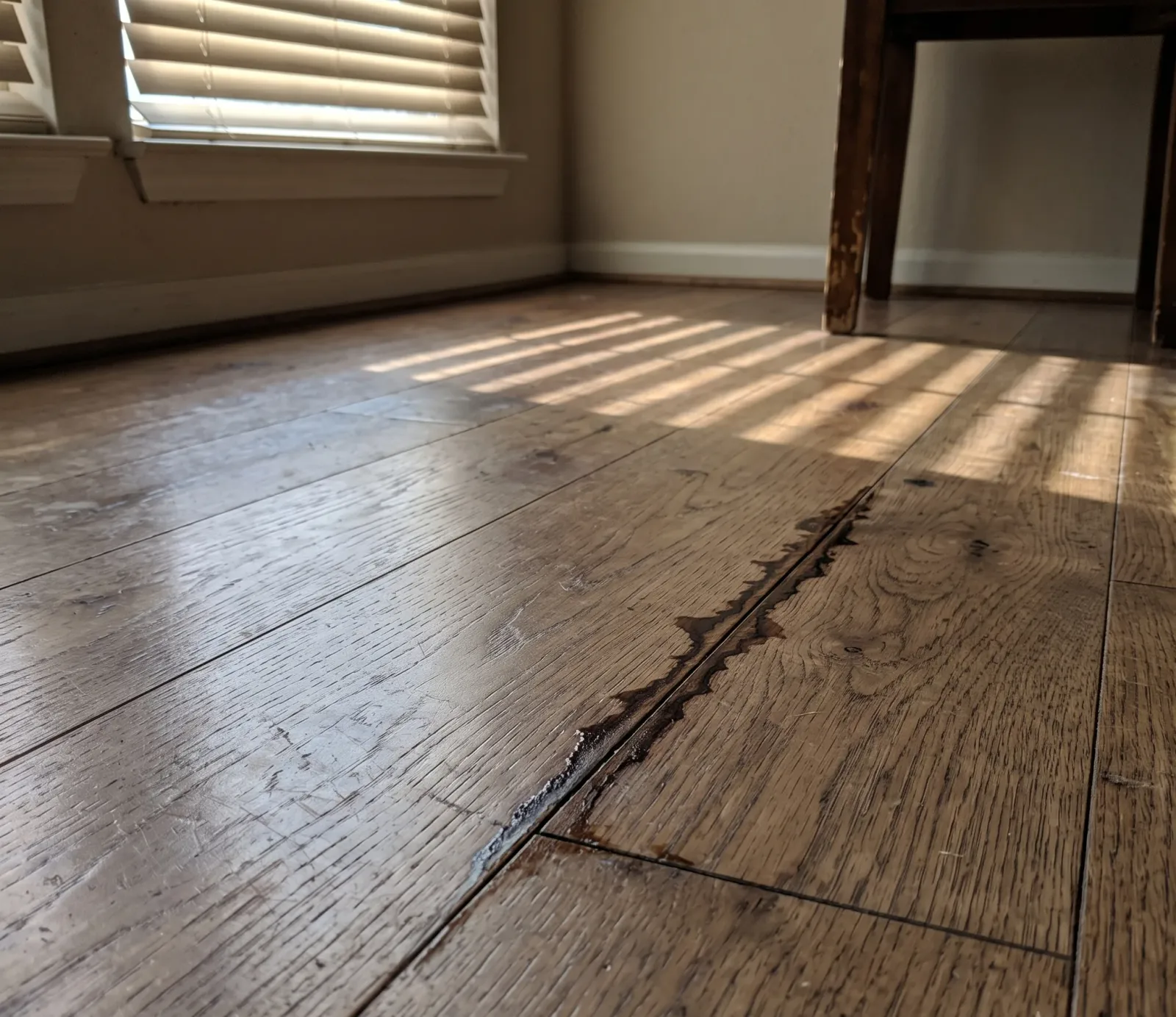
Safe hardwood water pickup starts by checking hazards and floor conditions
If pooled water has reached a powered fixture, stay out of the room until safety is clarified; do not step in to inspect the hardwood. In Concord, rain and drainage trouble can affect a house, while a plumbing spill may leave a smaller patch in a ranch or split-level. A glossy surface does not show how far water has spread across the boards, so describe what is visible without probing the seams. The address alone does not establish flood exposure. For a Concord home, the pros we connect you with can first establish safe access, then note the floor construction, water depth, and affected area. Those conditions shape how surface water is collected and how much setup the job takes; furniture, thresholds, or stairs between split-level floors can add handling. When requesting help, describe the flooring and water conditions. Map references such as Kannapolis or Charlotte cannot tell a pro what the room requires.
The pros we connect you with can first establish what can be reached safely, then look at the board layout, finish, water depth, and route into the affected rooms. In Concord, entry conditions at a home near North Union Street may differ from those at a house near Edgewood, so access can shape the work plan and estimate. A wet vacuum or pump may lift pooled surface water. The owner can ask what the scope includes and whether moisture checks follow extraction.
In Concord and Kannapolis, Harrisburg and Mount Pleasant, drainage and nearby creeks frame local context, but Irish Buffalo Creek cannot establish a building's condition; Hardwood Floor Water Extraction follows the intrusion indoors.
A residence needing pooled-water removal belongs under residential emergency water extraction; owners arranging work for a storefront, office, or rented property can consult commercial emergency water extraction.
A slick, wet finish can make the room unsafe before the wood shows a clear change. Keep people and pets away, especially if water has reached an outlet, appliance, or cord; do not step in to move furniture or test the floor. Tell the pros we connect you with what is visible from a safe spot. That information helps them decide whether the area needs a safety assessment before hardwood floor water extraction can begin.
Edges that stand proud, boards that feel uneven, or a finish that turns cloudy can signal that water has affected the flooring. These changes do not tell the owner how much moisture remains, and scraping or pressing on a lifted edge can cause more damage. Photograph the area without entering an unsafe room, and describe what changed when asking about extraction. A moisture assessment can be discussed after the standing water is removed.
A wet patch that reaches a hall or neighboring room changes the amount of hardwood that may need attention. In a split-level house, water near a stair landing also calls for caution: avoid walking across wet boards to inspect another level. From a safe location, note the rooms and thresholds involved. Those details help the pros we connect you with understand the access and removal area before they prepare a scope.
They check that the room can be approached safely, then identify the flooring and visible changes that affect the removal plan.
They note pooled areas, water depth, connected rooms, and entry constraints to define the hardwood removal scope.
Removing visible water addresses the pool, while moisture in affected materials may need separate attention.
After removal, the owner can ask about moisture checks and written work notes; any drying is a follow-up step.
Hardwood floor water extraction depends in part on how the boards are made and joined. A shallow patch on a smooth, sealed surface calls for a different approach from water spread across uneven joints or around fixed trim. In Concord, a homeowner who knows whether the floor is solid or engineered can give the pro a useful starting point; if that detail is unknown, a description and photo of the affected area can help. Map references to Kannapolis or Charlotte cannot reveal the floor assembly at the address.
A clear Concord work scope should say which hardwood areas are included, what equipment is proposed for the standing water, and how the work will be recorded. The owner can ask whether visible water only is included or whether moisture checks are listed separately. Keep the written scope and any work notes with the property records. Extraction addresses pooled water; repairs to a leak, contaminated-water cleanup, mold work, and rebuilding fall outside that removal task.
Record visible water conditions from a safe spot if you can do so without approaching a hazard. That city resource can inform a property review, but it does not establish conditions at every home or replace an address-specific check. Near South Union Street or elsewhere in town, the immediate rule is practical: do not enter standing water when electrical danger or structural damage is possible. Wait for qualified help to assess whether the area is safe to access.
For Concord, Hardwood Floor Water Extraction ranges are budgeting guides; the pros we connect you with can state the visit charge and put water-removal limits in writing.
| Water Reached | Liquid Removed | Moisture Check Next |
|---|---|---|
| Spot cleanup | Wet-vac removal of pooling across the listed open floor section | an estimated $600–$2,200 |
| Room-level work | Mallard Creek context: extraction covers accessible water in the stated room | an estimated $690–$2,860 |
| Multi-room reach | Pump or wet-vac pickup of water exposed on the included flooring | an estimated $600–$2,200 |
| Property-wide | Mallard Creek area: collection scope ends before moisture drying | an estimated $1,440–$8,800 |
A written scope makes it easier to see which work is included before the owner approves additions. Photos of wet materials can help document the condition of the rooms before repairs begin. The pricing guide offers more detail on cost factors.
Cost depends on the area of hardwood involved, the depth of the standing water, and how readily equipment can reach each room. A clear route and a single open floor area may take a different scope than several rooms separated by thresholds. Ask the pros we connect you with to describe the removal area and equipment in writing so the estimate can be compared with the visible conditions.
If water is still arriving, that can change what needs to be addressed before removal is complete. Furniture, tight turns, or transitions between rooms can slow work because they limit where equipment can be placed. Describe the layout and any access restrictions when requesting help; the pros we connect you with can explain what those conditions mean for the planned removal.
No. Removing standing water can reduce the time water remains on the hardwood, but it cannot guarantee the finish or boards will avoid change. The result depends on the floor and how it was exposed. Once surface water is gone, ask whether a separate moisture assessment is appropriate; that check can guide any drying work that follows.
Yes. Solid hardwood is wood through its thickness, while engineered flooring has layers, and the distinction can affect how a pro approaches water removal. If the owner is unsure which is installed, share any product details or describe the visible board edges without pulling anything up. The pros we connect you with can assess the accessible floor before choosing equipment and defining the scope.
If a detail is uncertain, tell the pros we connect you with rather than guessing. Describe the flooring if known, how deep the visible pool is, and any blocked or narrow access. Mention electrical hazards or structural concerns from a safe location. These details help them judge whether an assessment can proceed safely and what the removal scope may involve.
No. Hardwood floor water extraction removes standing water from accessible flooring; it does not stop a pipe, appliance, or other source from continuing to leak. If water is still entering, the owner should arrange separate attention to that source while keeping clear of unsafe areas. The extraction scope can address water already on the floor once the work area is safe.
Use $700–$1,400 as the planning estimate for Emergency Water Extraction. The provider confirms the figure based on water quantity, materials reached, entry constraints, and the removal work agreed.
Pumps and wet vacuums remove pooled water, while the affected area shapes the work.
Learn when electrical uncertainty or hidden floor hazards make walking through standing water unsafe, and how to keep people clear while a professional plans a safe assessment.
Read article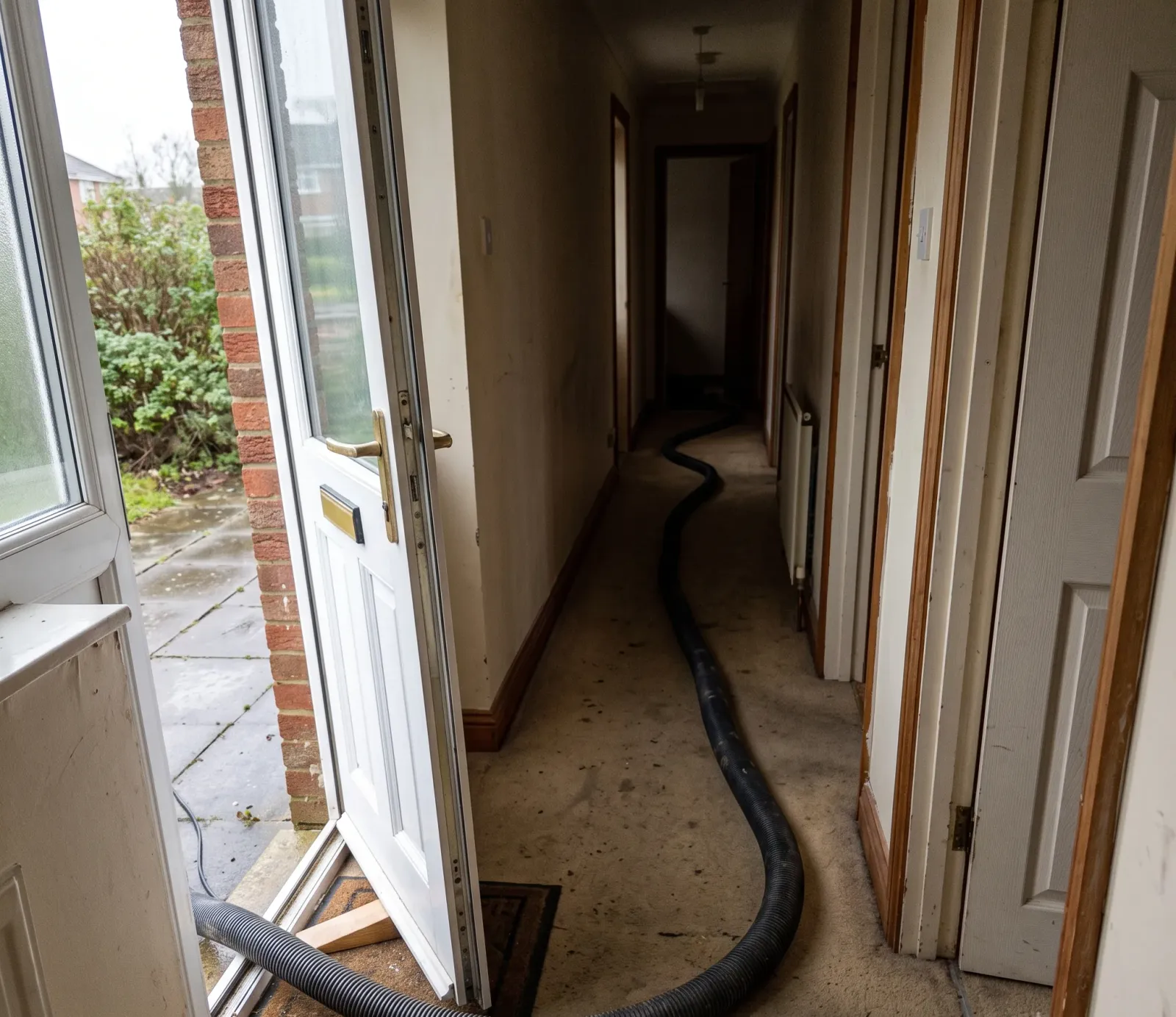
How quickly can extraction help reach a Concord home? Learn what to report, what can affect an arrival estimate, and what to ask while waiting.
Read article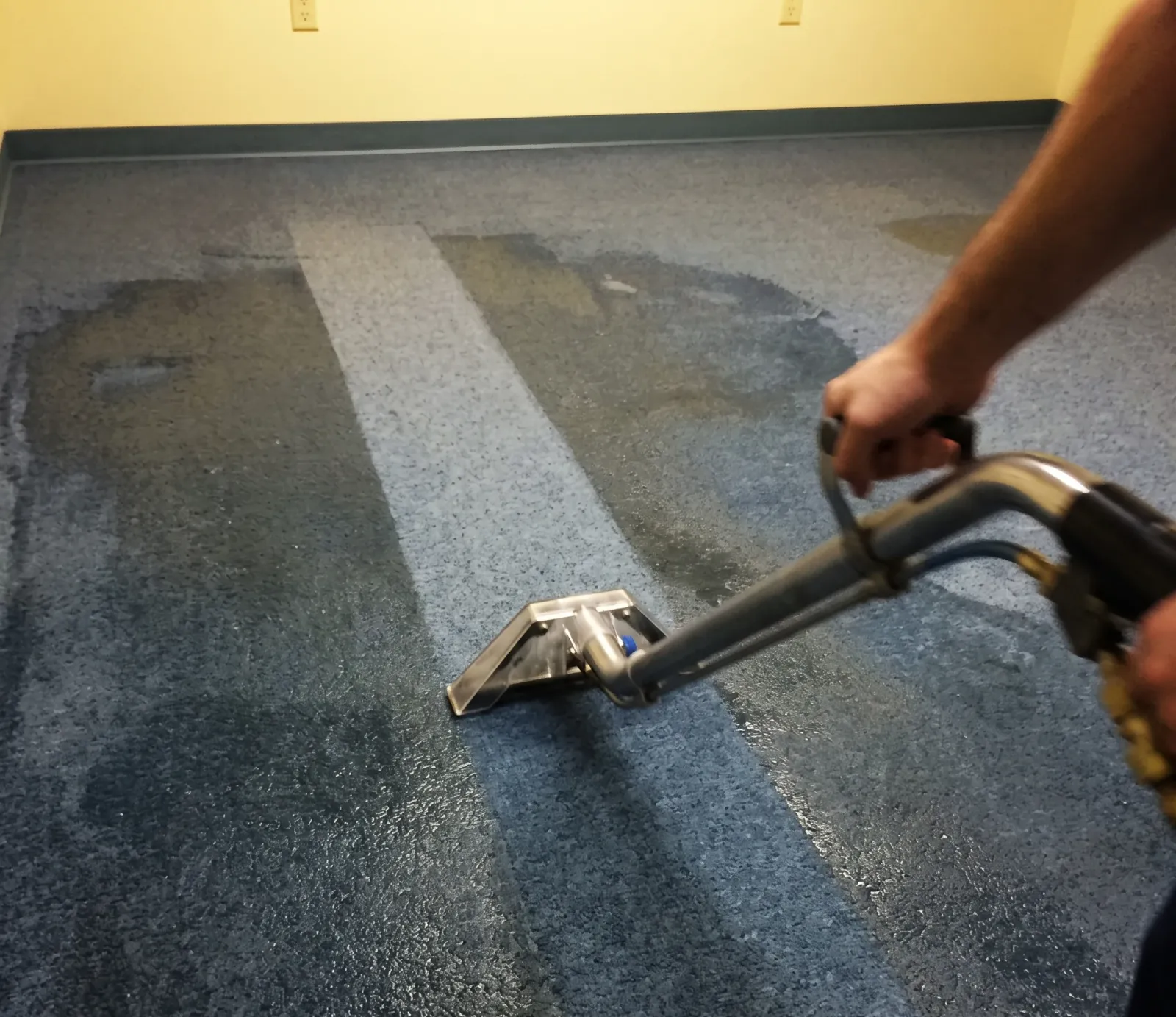
How long does emergency water extraction take in Concord? A continuing water source can change the clock. Learn what a local duration estimate counts and what to ask.
Read articleA street or neighborhood name helps locate a request, but it cannot show what happened inside a property. When asking about Emergency Water Extraction in Concord, give the service address and describe the rooms involved, any obstacles to reaching them, and whether water is still entering. Ask what timing may be possible and whether an initial visit is charged. A written account of the proposed removal work can clarify what is included before the owner agrees to proceed.
Call (704) 209-7411