Water Sources
Emergency Water Extraction for Concord Homes
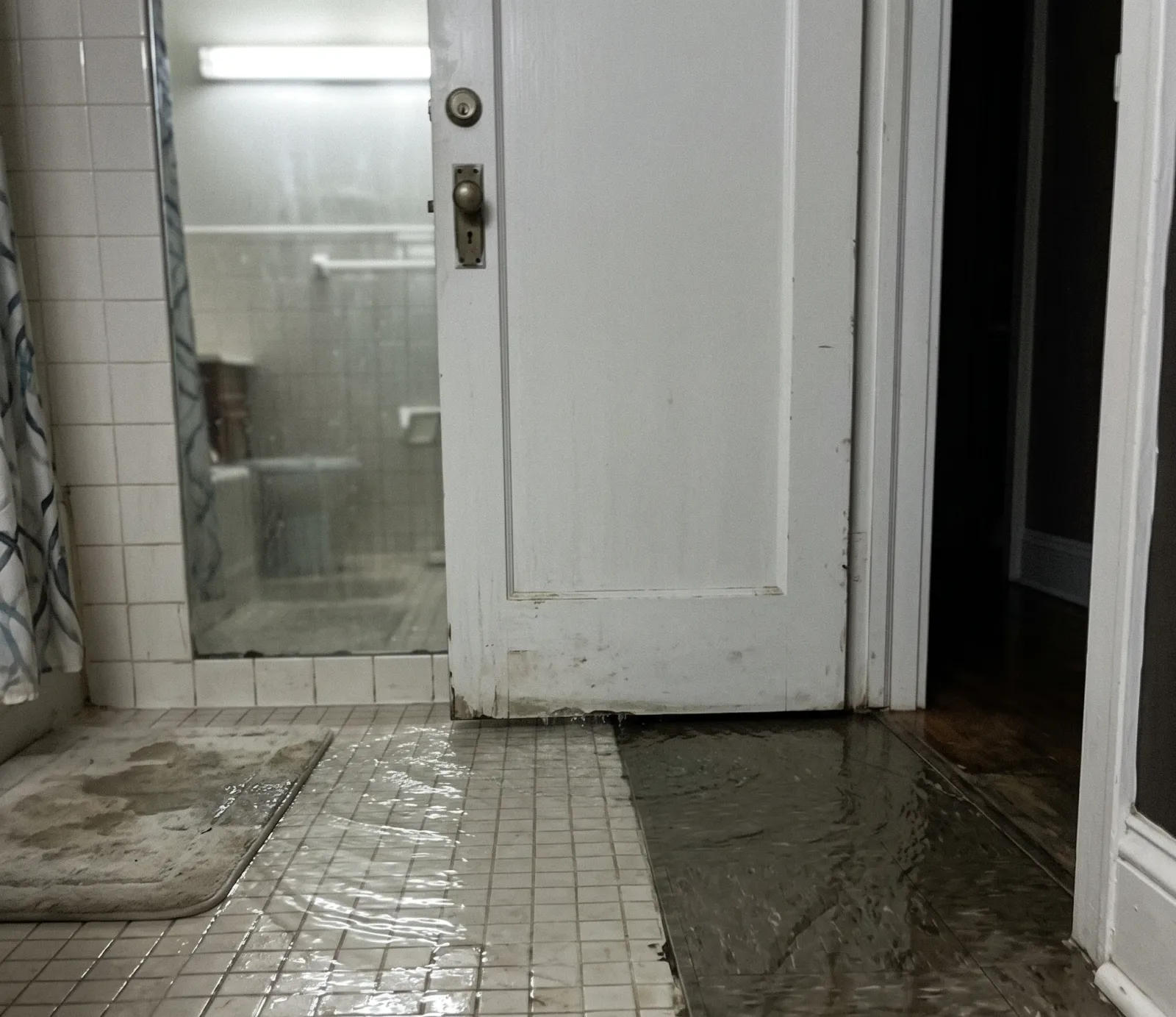
If water is still entering, the owner may need to address its source as well as arrange removal; extraction cannot stop a leak. In Concord, a call might come from a home near Rocky River or Coddle Creek, but the address and affected rooms shape the work. The pros we connect you with can remove water that equipment can reach. The owner should clarify which areas the estimate covers and where the removal work ends. The owner can ask how the pros we connect you with will protect dry surfaces while removing water from affected rooms.
BEYOND EXTRACTION
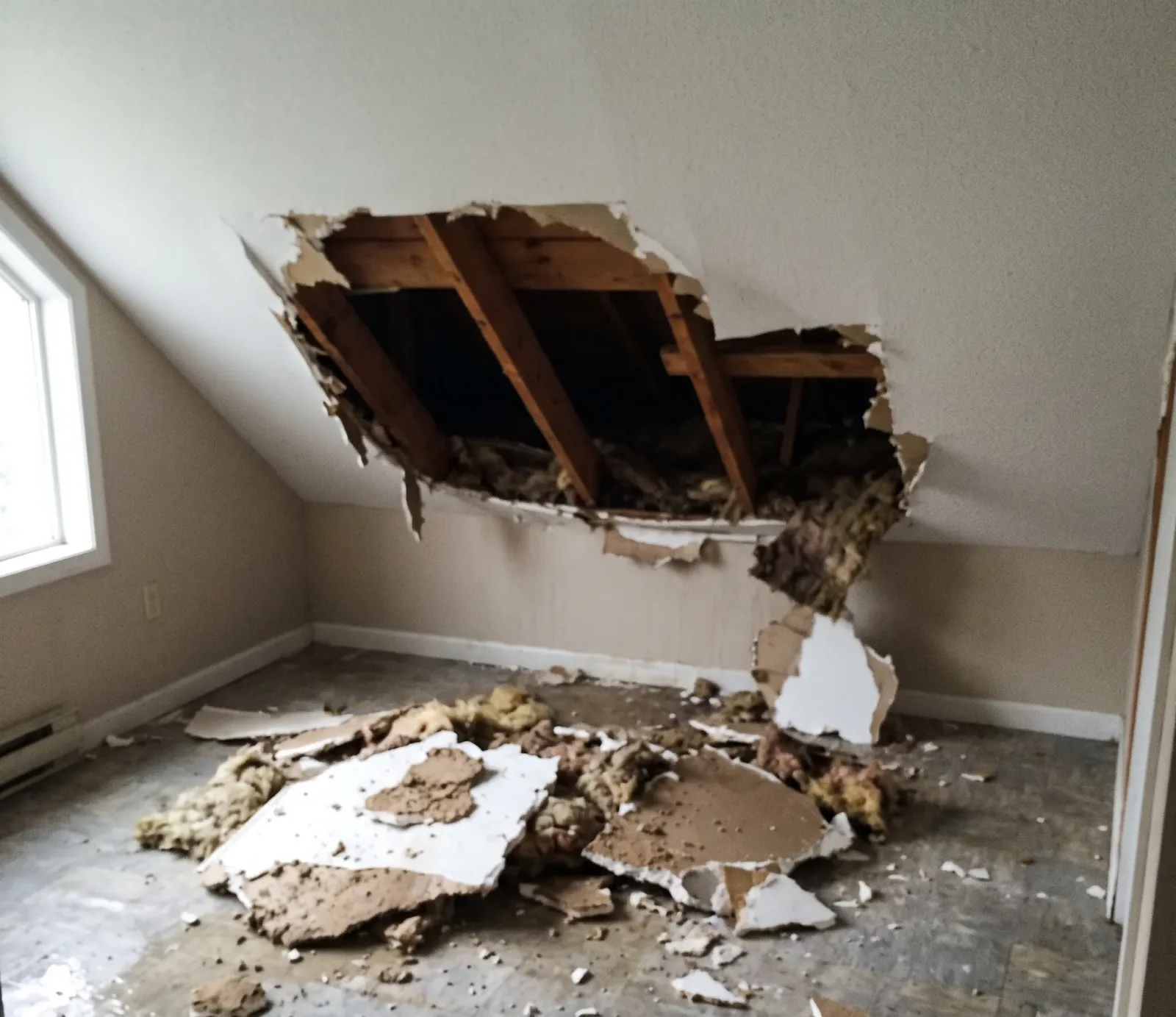
Standing water may leave damp materials beneath floor coverings, which can need attention beyond the extraction step. In Concord, Emergency Water Extraction means removing accessible standing water, a focused step distinct from broader water-damage restoration, which may include later moisture checks and drying. If the water source is known, it can be noted alongside the affected areas when the work is scoped. The approach depends on water depth, how many rooms it reaches, and equipment access. The estimate should spell out extraction and any added work.
Once accessible water is removed, wet flooring or wall materials may still need attention. That is moisture work, handled through assessment and drying equipment after extraction. In Concord, ask the pros we connect you with to spell out whether their estimate covers only water removal or also the next stage, and whether any related work needs its own scope. The owner can ask how progress during drying will be checked and what signs would show that wet materials need more attention. The owner can then compare what is included and decide what questions to raise before work starts.
ANSWERS AND GUIDANCE
Extraction Questions
What details shape the extraction scope at a Concord home?
The pros we connect you with consider how far water spread, whether more is entering, and which parts of the home were affected. A ranch and a split-level can involve different rooms, so the visible pool does not define the full scope. The home's layout can shape how water reaches adjoining rooms and which areas need attention.
How do the water source and soaked materials change the work?
No. Extraction addresses pooled water, while drying is separate work that may be needed afterward. A moisture assessment can help the owner decide whether that next step fits the affected area. Concord’s flood guidance identifies river, stream, and drainage hazards, but citywide context cannot tell whether a specific property needs drying. A ranch near Irish Buffalo Creek and a split-level in another part of town may have different rooms involved.
What should an owner expect after pooled water is removed?
Water can remain in carpet padding even after the surface looks dry. If an active leak keeps feeding the area, removal alone cannot stop the return, so its source needs separate attention. In Concord, proximity to Coddle Creek or Rocky River does not establish a home’s exposure. Conditions at the property guide the scope.
When can checking materials help after extraction?
A moisture assessment can help when visible water is gone but the owner is unsure whether materials remain damp or how far the water reached. The assessment can also help identify which areas were reached by water. For a Concord home, local flood information cannot show the condition inside a specific property; that depends on the affected areas and materials.
Begin a Water Removal Request
Know What Comes After Water Removal
A Concord business and a home on a subdivision lot may both need pooled water removed, though the rooms and materials determine the scope. Describe the affected areas, access, and known source to the pros we connect you with, then ask what they can take on and when. Find out whether any visit charge applies and request written details. Ask whether any contents need to be moved before extraction begins.
Call (704) 209-7411