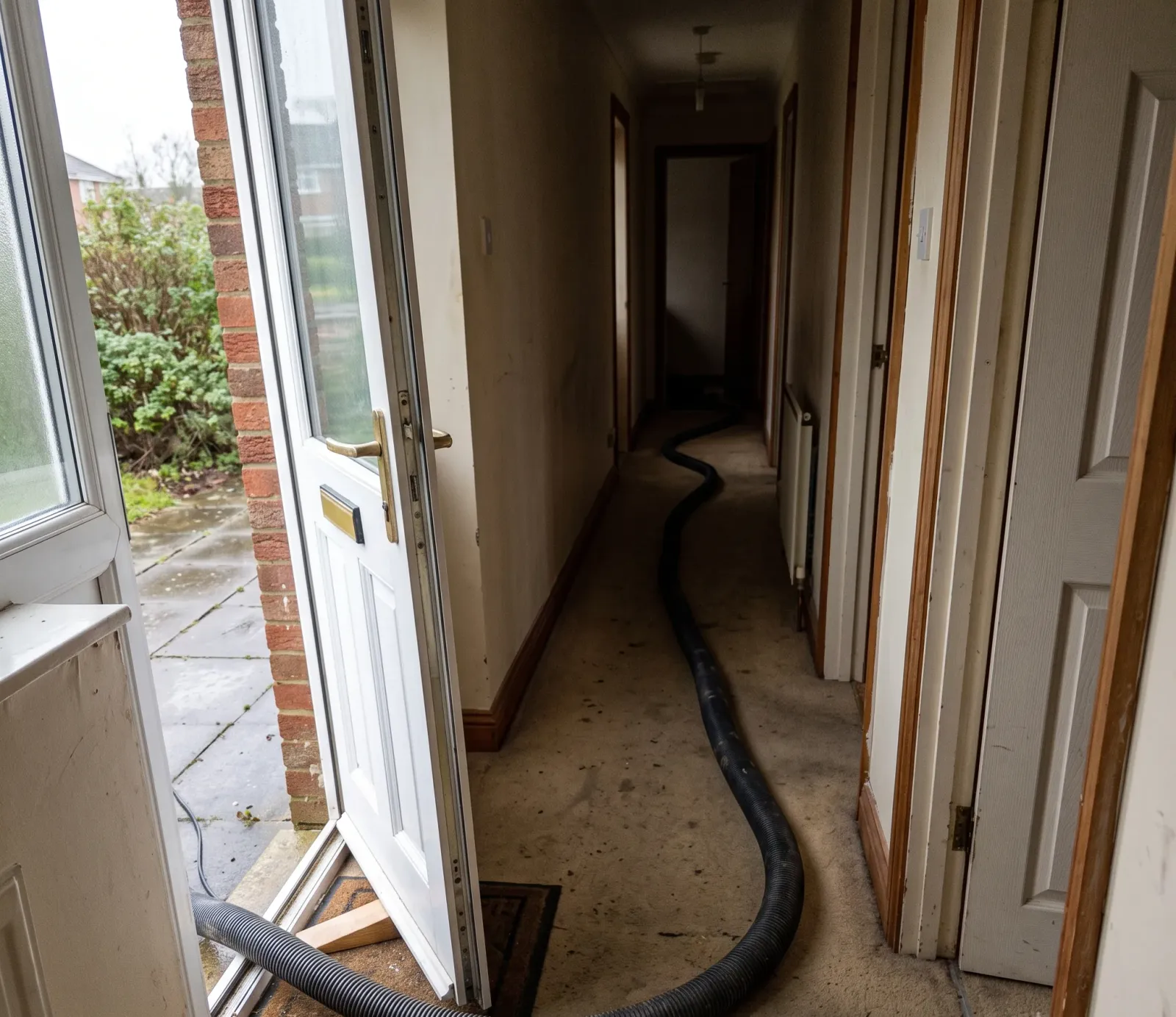
Emergency Response Time
How quickly can extraction help reach a Concord home? Learn what to report, what can affect an arrival estimate, and what to ask while waiting.
Read article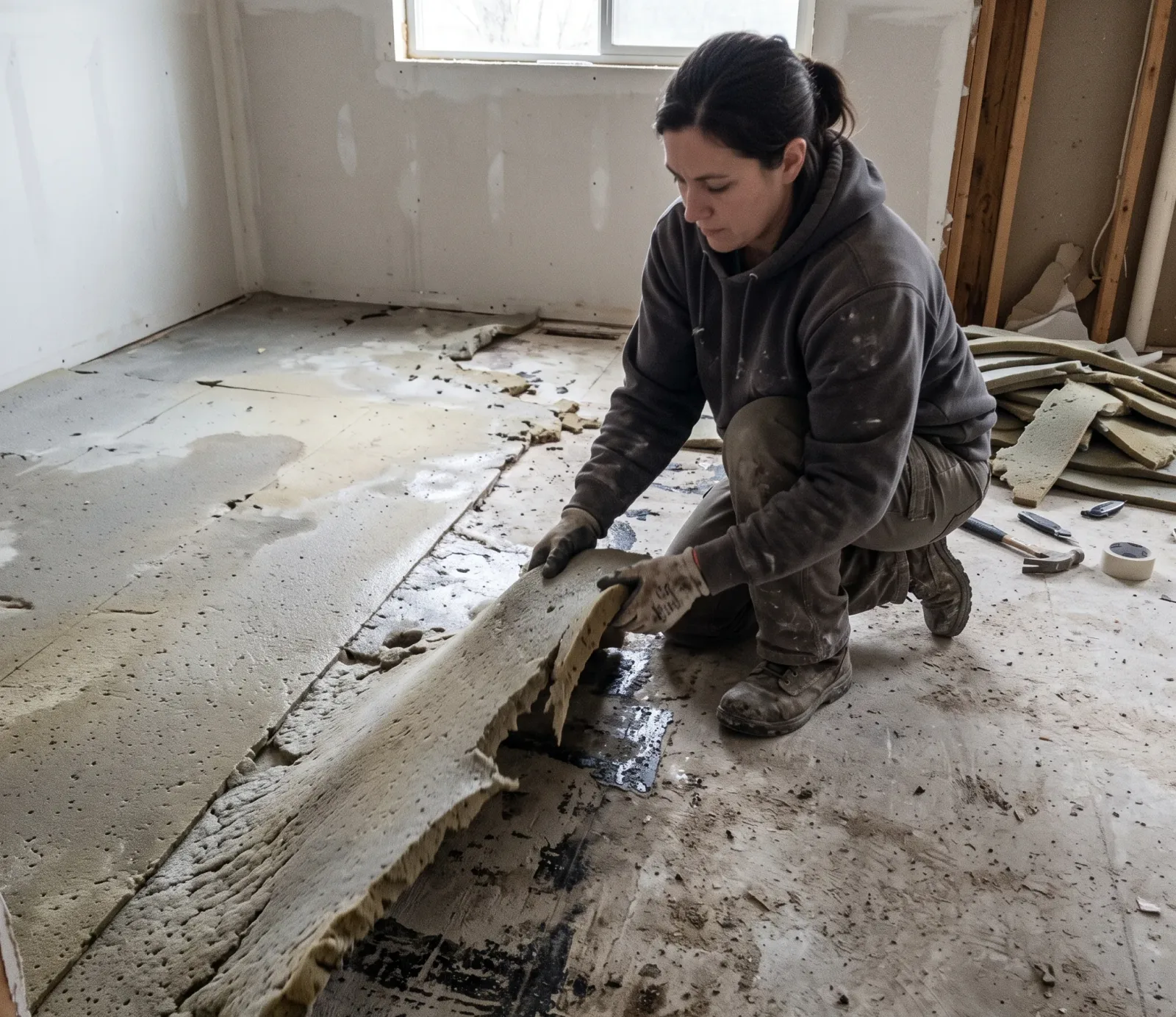
Carpet water extraction considers wet area, pad condition, and access
After a hard Concord rain, water can enter a carpeted room and disappear into the cushion before the floor looks dramatic. In a ranch or split-level, a damp threshold may be the first clue; on a subdivision lot, runoff can collect where the yard meets the house. Creek Park, Mallard Creek Greenway, and University City are useful regional reference points, but none says what happened at a particular home. The carpet’s feel and edges help show where extraction may need to reach.
The pros we connect you with look over the carpeted rooms, note where the pile changes underfoot, and check which edges can be accessed without moving fixed items. A Concord home’s street access, stairs, furniture, and distance between rooms can affect setup and the time needed; a narrow entry may limit equipment placement. They then explain whether carpet water extraction can be done from the surface or whether reaching the cushion calls for separate handling. The agreed area and access shape the estimate.
Finding the moisture source helps prevent mold from returning after affected materials are cleaned or removed.
When water reaches a lived-in home, residential emergency water extraction lays out that service; commercial emergency water extraction is for owners handling extraction at rental or business properties.
A wet carpet can feel uneven from one step to the next: one section may compress firmly while another seems to hold a slosh beneath the pile. That contrast can mean water has passed through the backing and collected in the pad. In Concord, the surface alone cannot show how far it reached. Keep household traffic off the soaked area where practical, since repeated steps can push water toward a dry boundary and make the affected footprint harder to judge.
Check the transition between carpet and hard flooring without pulling the carpet up. If the edge curls, no longer sits level, or feels cool beyond the obvious wet area, water may have reached the backing or pad near the threshold. A doorway can also hide a narrow wet strip under the carpet. Tell the pros we connect you with which entrance and rooms are affected; that helps them decide what edges need closer access during the Concord assessment.
A carpet may look less saturated after towels or blotting, while a damp odor remains when the room is closed. That lingering smell can point to water held below the pile, though it cannot identify the amount or condition of the cushion. Note whether the odor is strongest near a doorway, wall, or furniture leg. In a Concord home, those details help describe the wet area; they are not a substitute for checking the carpet and pad directly.
They note each affected carpeted room, visible transitions, furniture, and stair access so the Concord work area and practical limits are clear.
They select a wet vacuum or carpet extraction tool for the reachable pile, then explain any access needed to reach water in the cushion.
If pad access is needed, they describe the proposed carpet-edge handling and whether carpet pad extraction is included before proceeding.
They record the rooms treated and work completed, giving the owner a clear account to keep with photos and claim documents.
Carpet and cushion behave differently once soaked. Water can pass through the backing and remain in the pad even after a machine removes water from the pile, so the carpet may seem improved while the layer below still needs attention. Concord homes vary by layout and access; whether the carpet can stay in place depends on what the inspection finds and what work the owner authorizes. Quick, careful extraction limits continued contact with wet materials.
Before work begins, the owner can ask the pros we connect you with to spell out which carpeted rooms are included, whether moving furniture is included, and whether pad handling is part of the scope. Keep a copy of the written work record and any photos for the household’s claim file; coverage decisions belong to the insurer and policy. Ask how the carpet’s drying progress will be checked and what changes to report during the work.
Concord provides floodplain information for areas near rivers and streams and places with drainage problems. If rainwater was involved, the owner can use the city’s information to ask about the address while describing the event to the extraction provider; a regional place name alone cannot answer an address-specific question. For directions, give the Concord street address first. A reference such as University City or Mallard Creek Greenway can help clarify the broader route when needed.
Concord estimates for carpet and pad water extraction vary with affected space; near Rocky River or elsewhere, the pros we connect you with can identify the visit fee and extraction boundaries in writing.
| Rooms and Surfaces | Pooled Water Cleared | Damp Materials Ahead |
|---|---|---|
| Compact cleanup | Creek Park reference: surface water pickup limited to reachable flooring | an estimated $400–$2,000 |
| Single zone | Visible pooled water cleared within the estimate’s accessible work boundary | an estimated $460–$2,600 |
| Linked interior | Concord floor-area extraction: reachable pooling only, excluding source repair | an estimated $400–$2,000 |
| Structure-wide | Open-floor water pickup within the estimate’s stated room boundary | an estimated $960–$8,000 |
Reaching water in several rooms or around stored belongings can add labor and equipment time. Ask the pros we connect you with to show how access and any drying equipment affect the estimate. The pricing guide can help the owner weigh those items against the extraction work itself.
For accessible carpet, a wet vacuum or carpet extraction tool can draw water from the pile. If water has collected below the carpet, the provider may need access to the edge and may discuss carpet pad extraction as separate handling. The pros we connect you with should explain what equipment and areas are included before starting, so the owner knows whether the quoted work reaches only the carpet surface or the cushion too.
A flattened pile, damp threshold, or cool patch can be a useful clue, but none shows the full wet boundary by itself. In Concord, describe every room and doorway that felt wet, including spots that now look normal. The provider can compare those observations with what is accessible during assessment. Avoid walking back and forth over the affected carpet; foot traffic can press water outward and obscure where the original wet area ended.
The provider should look at the carpet’s construction, the pad beneath it, how much water is reachable, and whether the edge can be accessed. Those details help determine whether in-place extraction is practical or whether the cushion needs separate handling. The owner can ask what findings support keeping the carpet and what would change that recommendation. A surface appearance by itself cannot settle the decision, and the work scope should reflect the inspection.
The estimate is affected by the carpeted area included, obstacles that limit access, and any added labor to reach the pad. Stairs, tight doorways, and furniture can slow setup in a Concord house, while rooms that connect across an open floor plan may require a broader work area. Ask the provider to describe which boundaries are included and which handling tasks are outside the proposed work. No particular price or duration can be assumed before those details are known.
Items resting on wet carpet can hold moisture against it, so move them aside if you can do so safely. In Concord, the pros we connect you with can use a wet vacuum on accessible carpet and assess whether carpet pad extraction is feasible. A dark edge or squishing underfoot can point to water below the carpet. A lingering musty odor can also signal that dampness remains beneath the carpet. Moisture checks and drying can follow removal.
Keep people and pets off the saturated area when practical, and note the rooms and edges that were affected. Share whether the water came from rain, a plumbing problem, or another known source so the provider understands the situation. Mention any lingering dampness, discoloration, or odor when describing the affected carpet. Give the Concord address and describe access limits when arranging an assessment.
Carpet and pad water extraction is estimated at $700–$1,400 for this work for the planned water removal. Water depth, affected materials, access, and work scope can shift the estimate, which the connected provider confirms after inspection.
If water may have reached outlets, pause entry until a qualified person can assess safety.
How quickly can extraction help reach a Concord home? Learn what to report, what can affect an arrival estimate, and what to ask while waiting.
Read article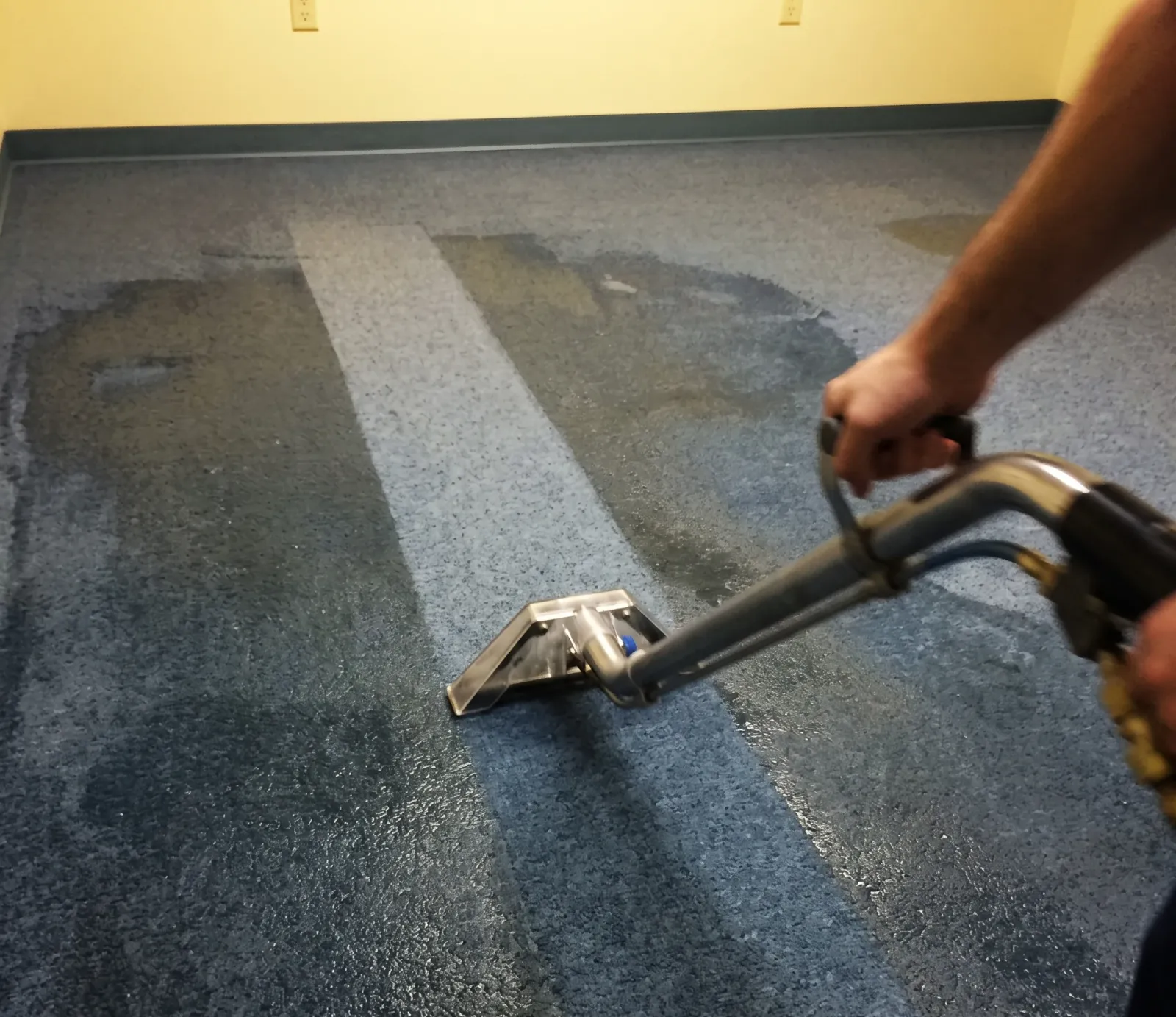
How long does emergency water extraction take in Concord? A continuing water source can change the clock. Learn what a local duration estimate counts and what to ask.
Read article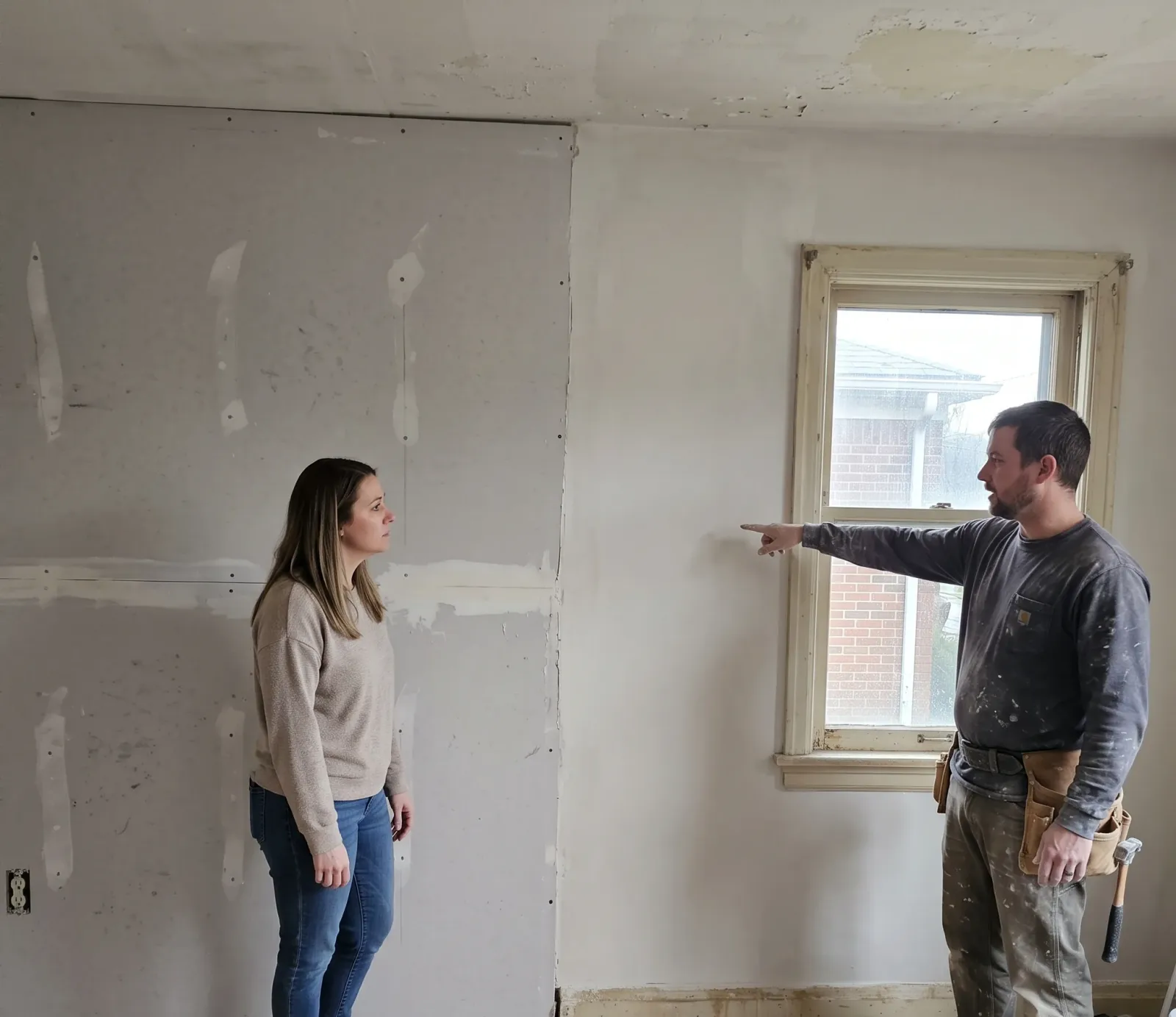
Learn when electrical uncertainty or hidden floor hazards make walking through standing water unsafe, and how to keep people clear while a professional plans a safe assessment.
Read articleA street or neighborhood name helps locate a request, but it cannot show what happened inside a property. When asking about Emergency Water Extraction in Concord, give the service address and describe the rooms involved, any obstacles to reaching them, and whether water is still entering. Ask what timing may be possible and whether an initial visit is charged. A written account of the proposed removal work can clarify what is included before the owner agrees to proceed.
Call (704) 209-7411