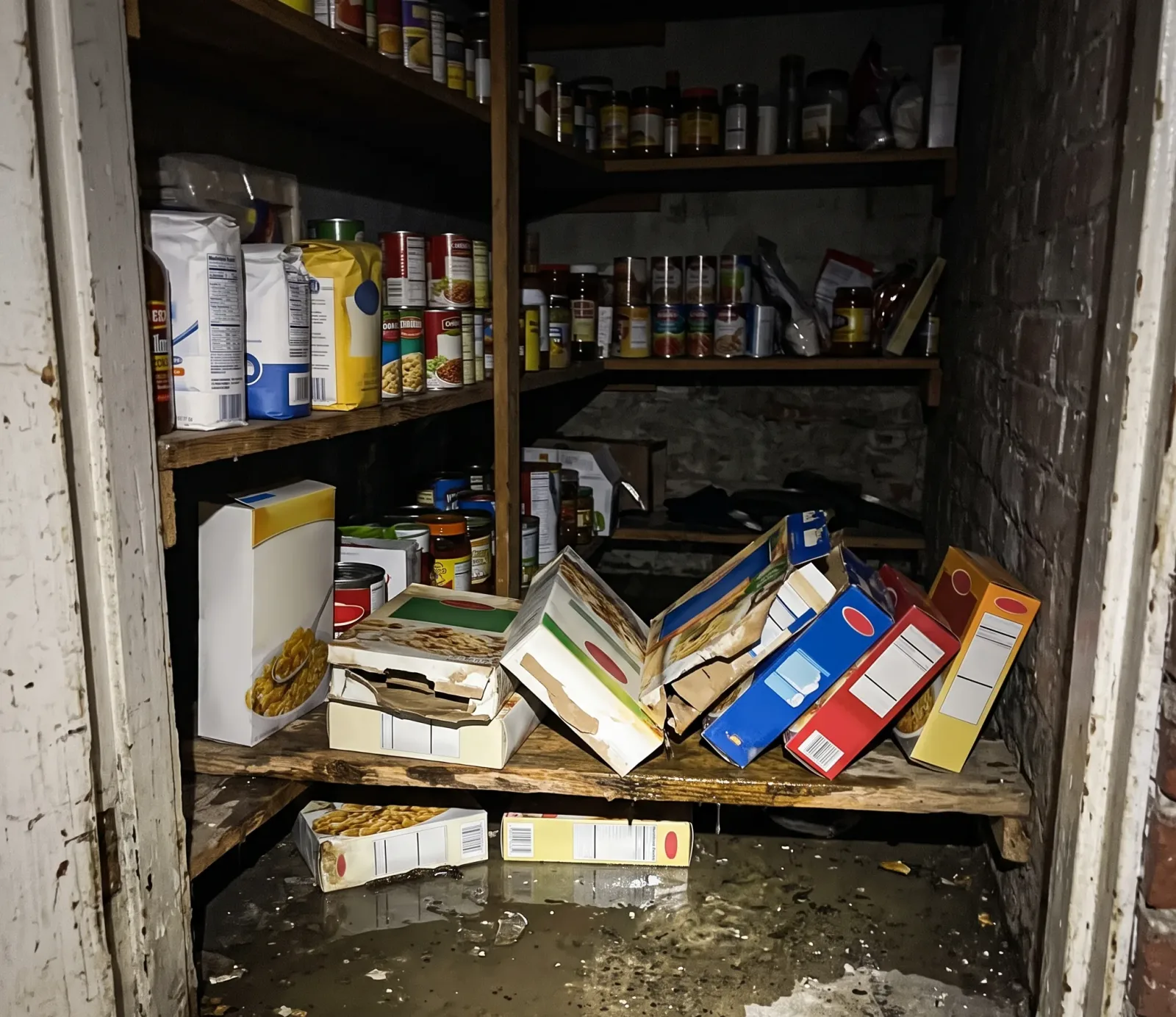
Basement Water Extraction
Keep clear of unsafe water while pros assess access and plan basement water removal.
View Basement Water Extraction help in Concord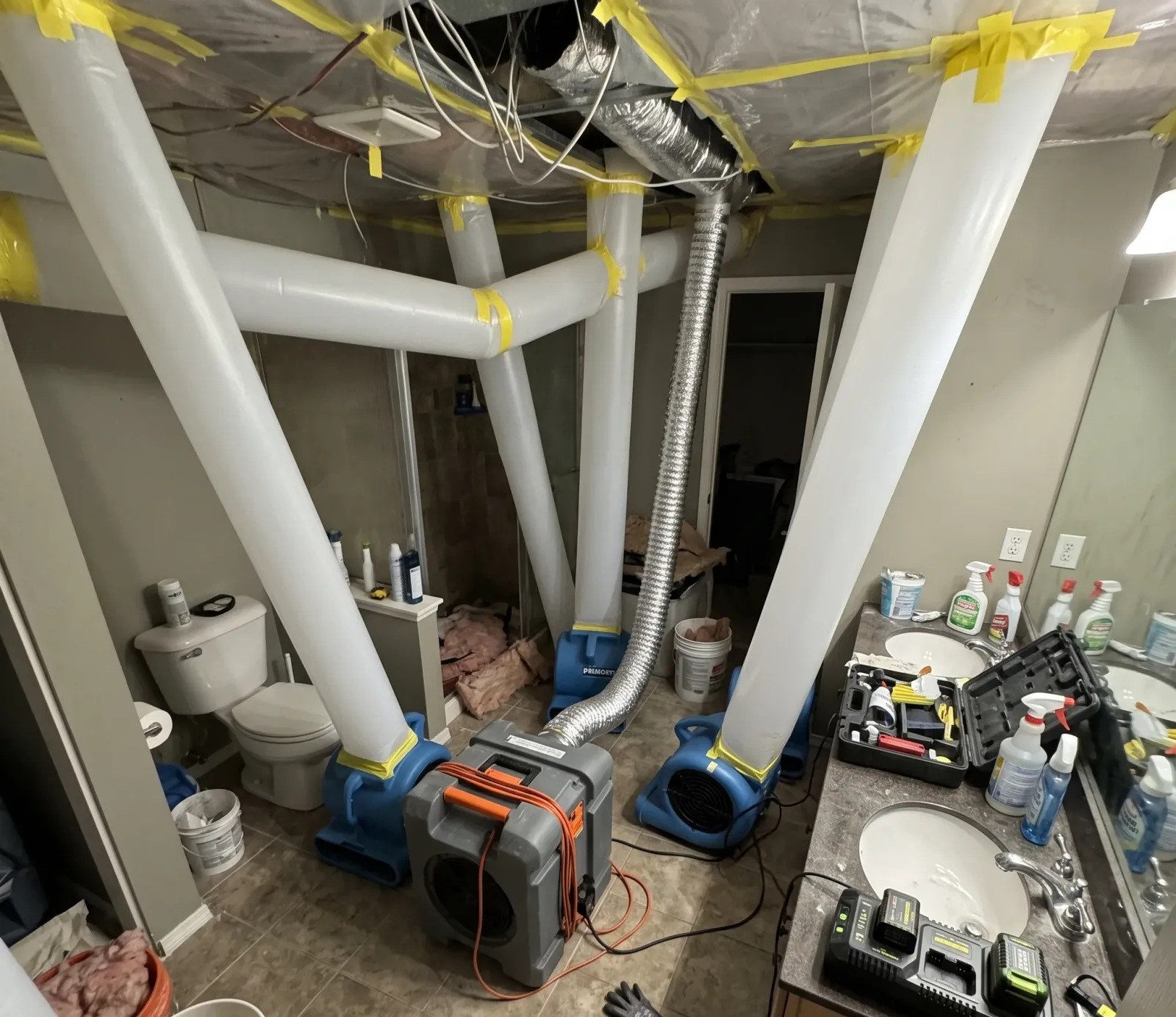
Keep out of pooled water when electrical danger is possible; stop at the dry edge and get qualified help if wiring or appliances may be affected. Keep dry belongings out of the cleanup path while pooled water is being removed. Note whether the water level is changing as you describe the affected area. At a ranch or split-level, tell the pros we connect you with where water is standing and how it entered. Emergency Water Extraction removes pooled water; moisture left behind calls for a separate assessment and drying plan.
Write down when water first appeared and any changes you have noticed. A Concord owner using North Union Street as a location reference still needs a plan based on the affected rooms and materials. Ask what the extraction work covers, who will address an ongoing source, and whether sewage or chemicals could be present. Those conditions can change the scope; source repair and contaminated-water cleanup are separate work, so clarify who handles each before work starts.
In Concord, the rooms and materials affected shape the removal work. An owner can tell the pros we connect you with whether water is in one room or has reached other parts of the property, then ask for a written scope describing what will be removed. Keep unaffected belongings clear of the work area while removal is underway. After removal, moisture checks may point to materials that need drying. If a damp smell or visible change remains, note it for the licensed pros we connect you with.
Choose by who uses the building: residential emergency water extraction describes extraction for a household’s home, and commercial emergency water extraction covers premises used for business or rental.
The pages that follow cover standing-water removal and decisions when dampness continues after pooling is cleared.
Keep clear of unsafe water while pros assess access and plan basement water removal.
View Basement Water Extraction help in Concord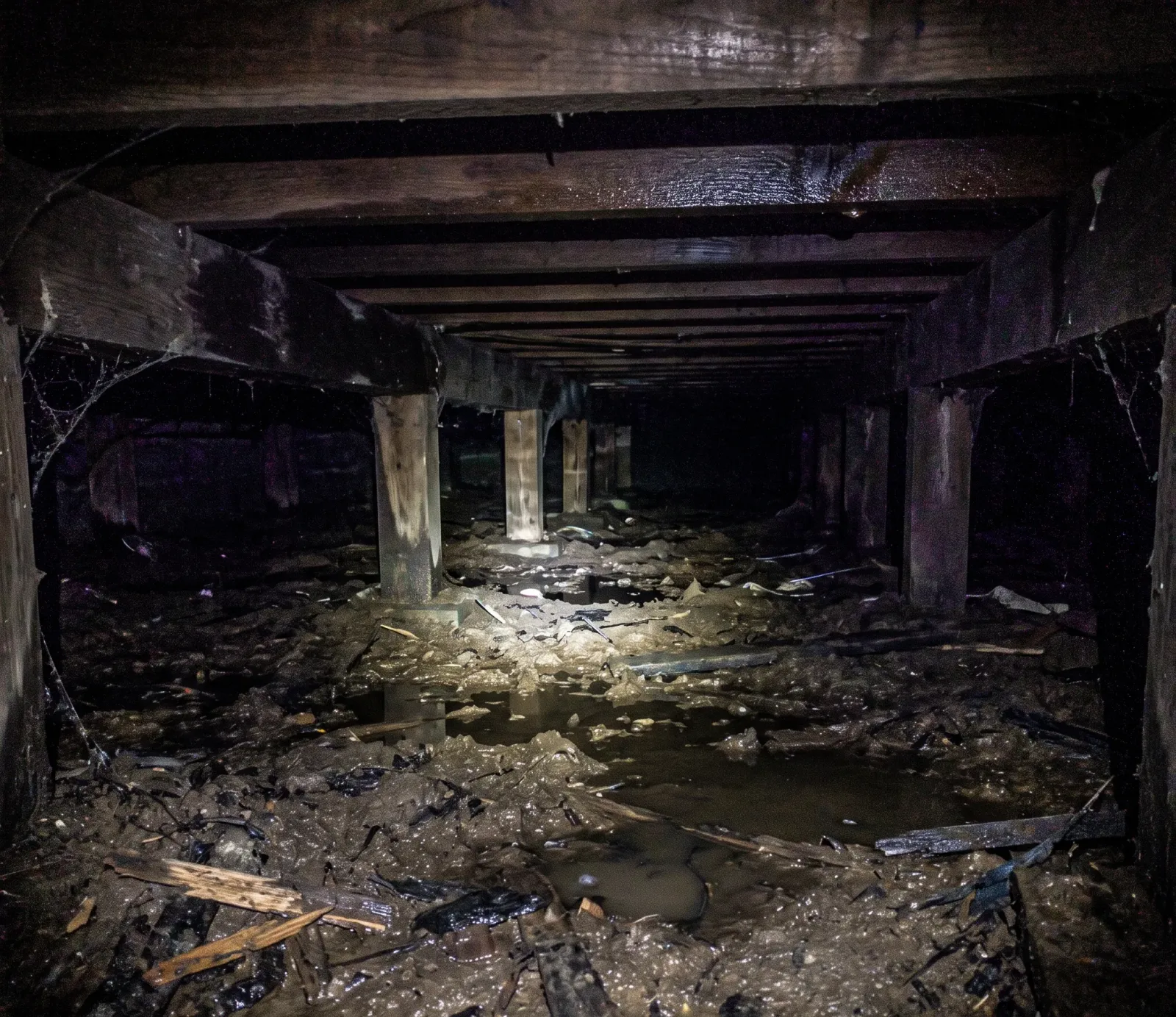
Pooled crawl-space water removal planned around entry, clearance, and safety
View Crawl Space Water Extraction help in Concord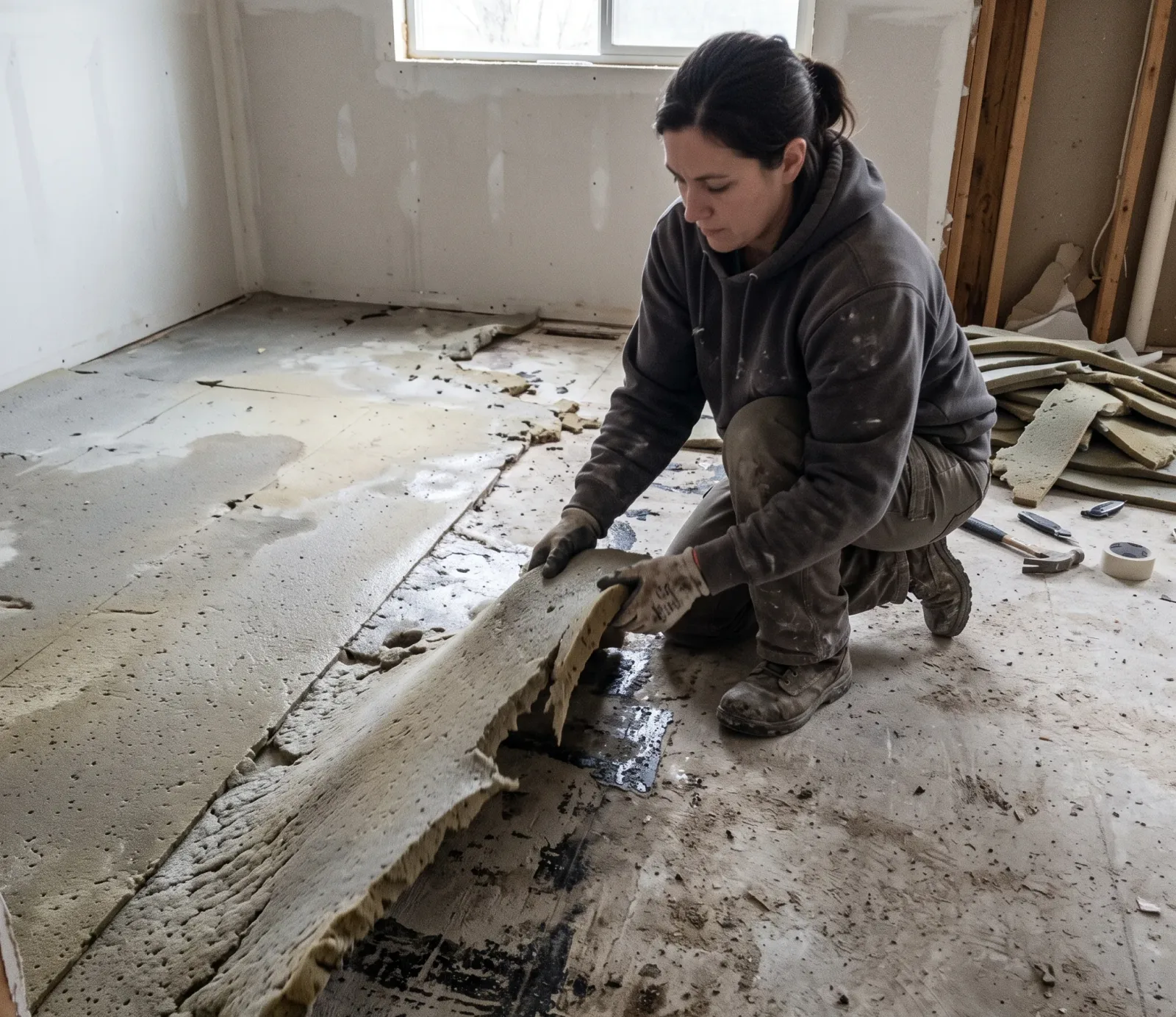
Carpet water extraction considers wet area, pad condition, and access
View Carpet and Pad Water Extraction help in Concord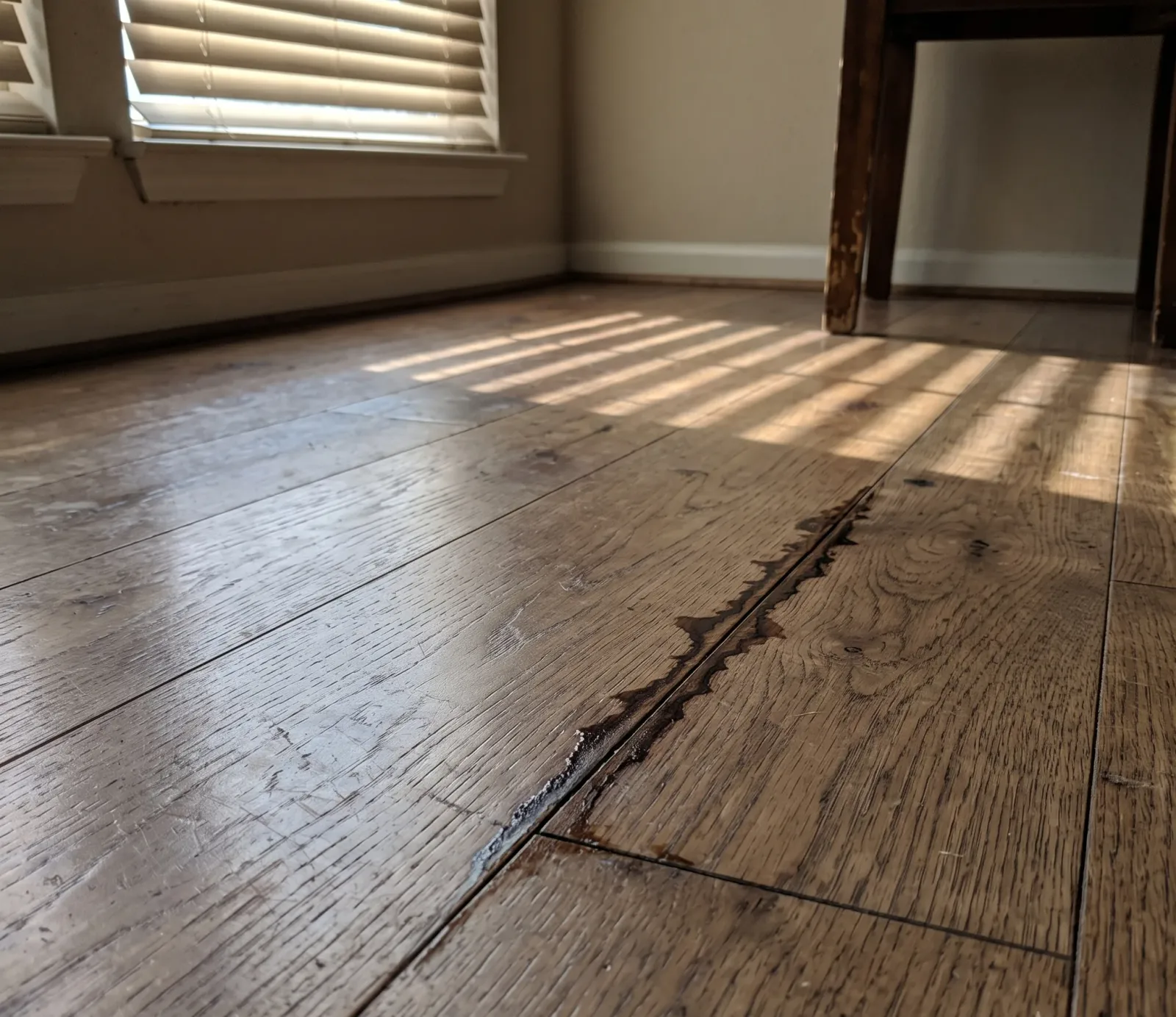
Safe hardwood water pickup starts by checking hazards and floor conditions
View Hardwood Floor Water Extraction help in ConcordThese guides explain standing-water removal, moisture checks, and what may follow.
If water may carry sewage or chemicals, or the source is still active, tell the provider; removal does not include contaminant cleanup or leak repair.
The residential guide explains safe preparation, how pooled water is removed, and what to settle with a provider before entry.
If moisture checks, drying plans, or written work descriptions use unfamiliar terms, ask the provider to explain them in everyday language.
Use the visible pool, soaked contents, and affected rooms to frame which removal questions come next.
In Concord, extraction fits when water is visibly pooled and needs to be taken out. Broader restoration may be needed if the work also involves damp building materials, repairing the source, contaminated water, or rebuilding; those are separate scopes to discuss. Standing water can also soak flooring, baseboards, and nearby contents. A home's conditions need to be considered on their own.
When water is moving into living space or has spread across several rooms, ask for urgent removal first. If the intrusion has stopped but flooring, trim, or other finishes remain affected, ask whether moisture assessment and broader restoration should follow. In Concord, Coddle Creek and Rocky River are local reference points; neither identifies a home’s flood status. A South Union Street address still needs its own conditions reviewed.
The work can be coordinated, but removing water does not stop an active leak or rebuild damaged areas. A Concord owner can ask whether the pros we connect you with can arrange separate source repair or reconstruction, and which work each estimate covers. If water is still entering, the source needs attention too; otherwise, more water may collect after extraction. Get the boundaries of each part of the job in writing.
A clear description of the affected rooms helps frame the request. Describe what the owner has already done and send clear photos if available. A nearby reference such as Dale Earnhardt Plaza can help identify the area, but the full address is needed for the property. Ask for a written scope that identifies the water removal work and any concerns left for follow-up.
Yes. A simple room list can show where water reached and which finishes or belongings were affected. Water can reach insulation or materials behind a finished surface. A damp or musty smell can describe moisture that a photo may not show. Ask for the written scope to separate immediate removal from moisture checks, drying, source repair, or rebuilding, since those may fall under different work.
Water from a roof leak, plumbing problem, or storm can spread beyond the first wet spot. In Concord, tell the pros we connect you with what the owner knows about how it entered and whether the source has stopped; source repair is separate from removal. Ask when a visit might be possible, whether it has a charge, and what the estimate includes. If water could be contaminated, mention that before work is discussed, since it may call for a different cleanup scope.
Call (704) 209-7411