Check Conditions Before Choosing to Stay
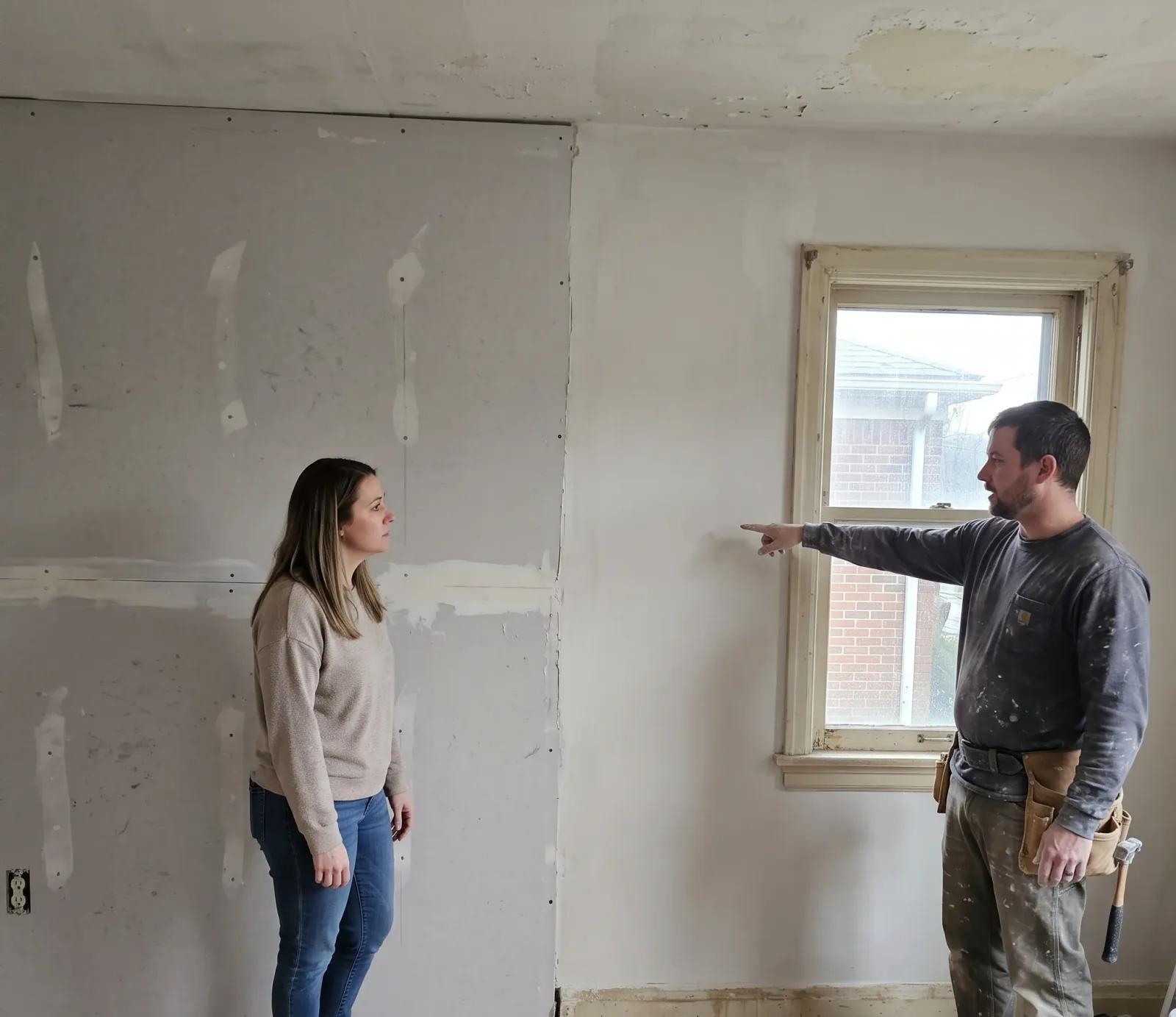
Whether a homeowner can stay home during water extraction depends on what the assessor finds and which rooms can be kept apart from the work. In Concord, a home near North Union Street and one near South Union Street may share a city name, but that does not make their layouts or affected areas alike. The safe choice follows conditions inside the property. Treat the occupancy boundary as part of the work scope, not as an assumption based on the address.
Water damage safety comes first. If water has reached outlets, appliances, or other electrical equipment, keep clear until someone qualified determines the area is safe. A homeowner should also stop and get guidance if the building appears unstable or the water may be contaminated. Extraction can remove pooled water, but that alone does not settle whether occupied rooms are safe. Damage to building materials can affect safety even after visible water is gone.
Plan for Noise and Room Access
Even when the affected room can be closed off, the work may carry through the house. Pumps and other equipment can interrupt sleep, calls, or a quiet afternoon, especially in an open layout. The pros we connect you with can explain what sounds and activity to expect, so a homeowner can decide whether staying is practical for the household. In a Concord ranch or split-level, room separation may feel different; the actual layout matters more than the style name.
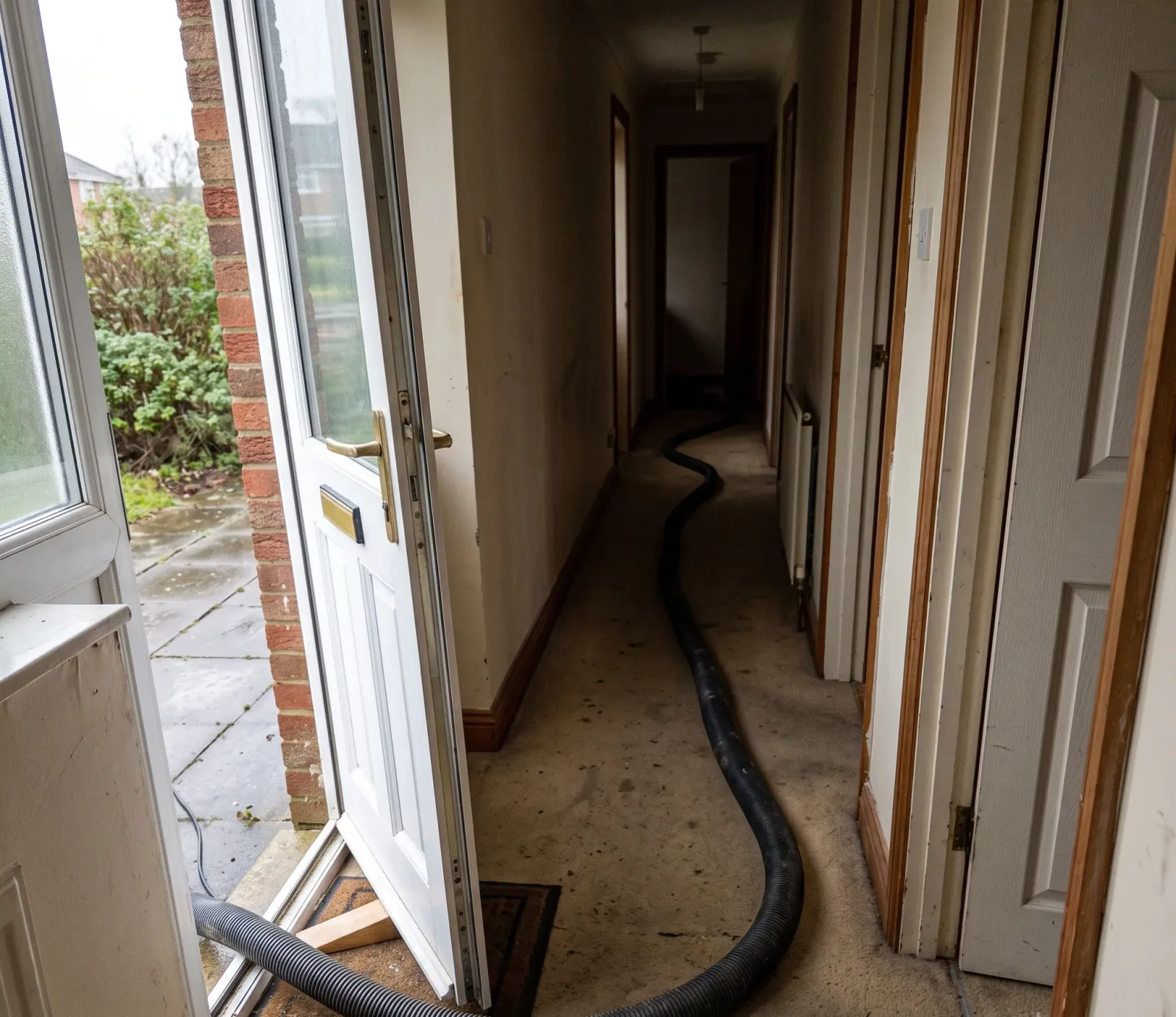
Access deserves its own check. Workers may need a clear route between the entry and the affected rooms, and equipment can take up space along that route. Ask which doors or shared areas need to stay open, and whether a household member can reach an exit and essential rooms without entering the work zone. If the available route cannot be kept clear, staying in another part of the home may not be workable during active removal.
Consider Household Needs and Timing
A plan that works for one adult may not suit everyone in the house. A person with asthma, limited mobility, heightened sound sensitivity, or a need for uninterrupted rest may find the noise, restricted rooms, or unfamiliar activity difficult. Tell the assessor about those needs before settling on a stay-or-leave decision. Concord's planning information names Irish Buffalo Creek, but a nearby water feature says nothing about the safety of a particular home; the assessment must focus on that property.
Household timing can change the practical answer, too. A resident who needs to leave for work, school pickup, or care appointments should know when entryways and shared spaces may be busy. If a person cannot reliably get in or out without crossing the work area, arrange another place to be during that window. In Concord, routines differ from one household to another, so give the assessor real scheduling constraints rather than assuming the work will fit around them.
Clarify Occupancy Alongside Work Scope
Work boundaries can shape how people move through the home during cleanup. Have the boundaries explained in plain language, including where household members should wait while equipment is being placed. This conversation helps the owner compare the proposed work area with daily needs and spot a conflict early. A clear plan makes the decision to stay home more than a guess.
Clarify what the word “finished” means in the written scope. The written scope should state what condition marks the end of water removal. Those distinctions matter if the household is deciding when to use a room again. Ask for the removal work and any separately planned assessment or setup to be described clearly, so completion of one task is not mistaken for approval to resume normal use everywhere.
Dealing with standing water at your home?
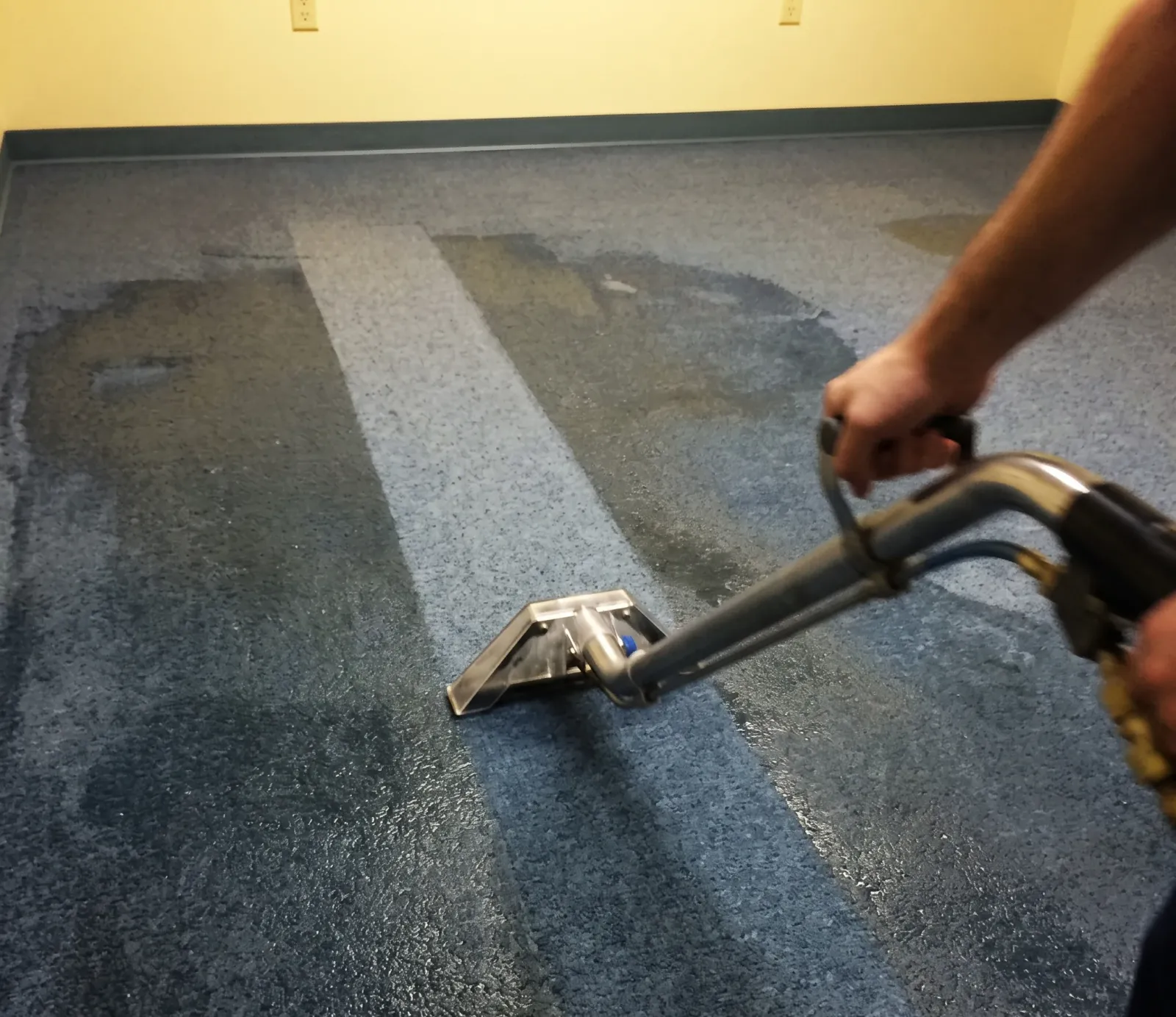
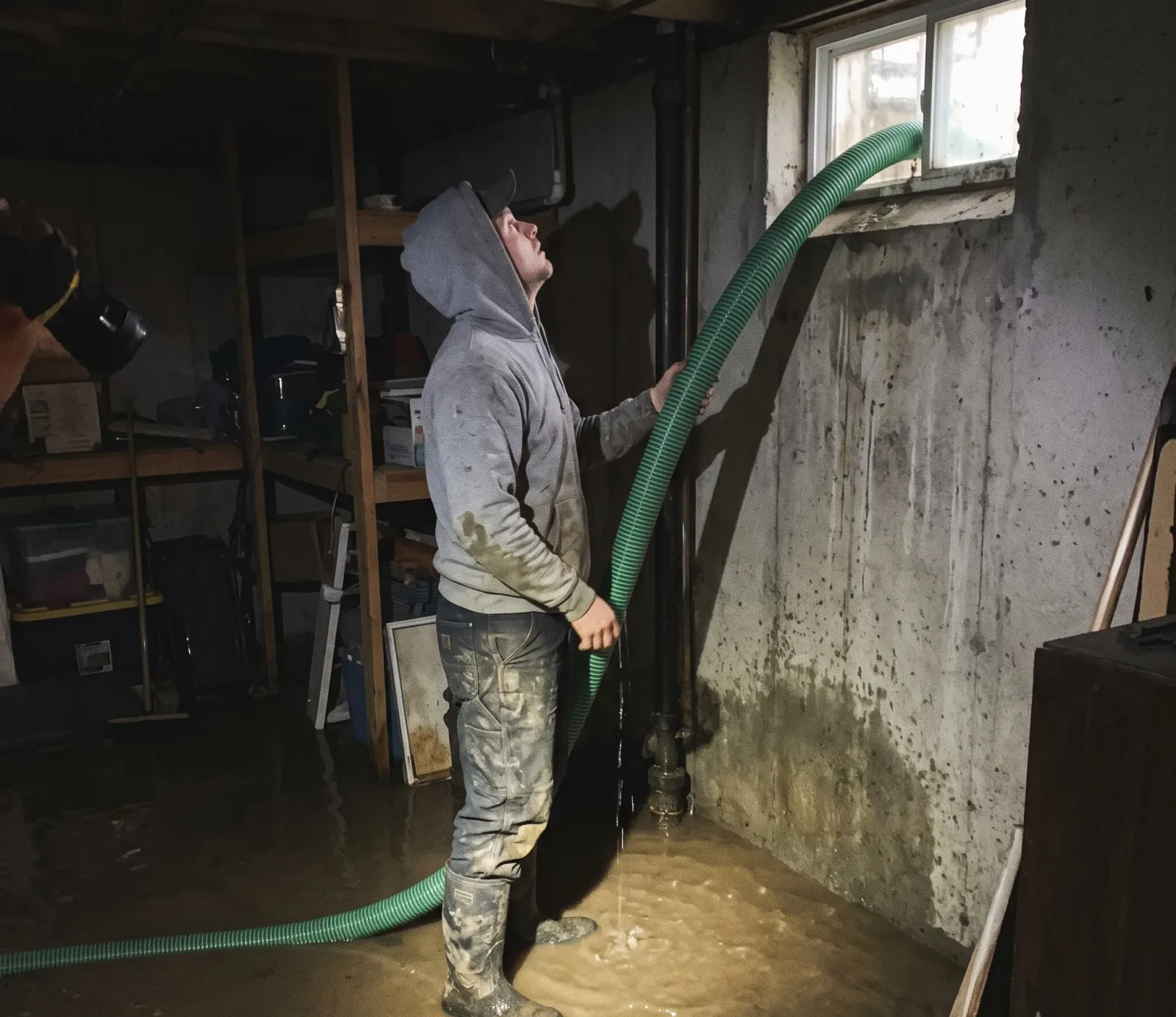
Is water still moving through the house, and can anyone reach it safely? Water can spread beneath flooring and behind walls before the surface looks badly damaged. Ask whether the crew can check hidden areas and document moisture before drying begins. A ranch near Creek Park and a split-level near Mallard Creek Greenway can present different access conditions. Extraction removes pooled water; drying, stopping the source, contaminated-water cleanup, and rebuilding may need separate work. Before proceeding, clarify what the estimate covers and which steps are outside it.