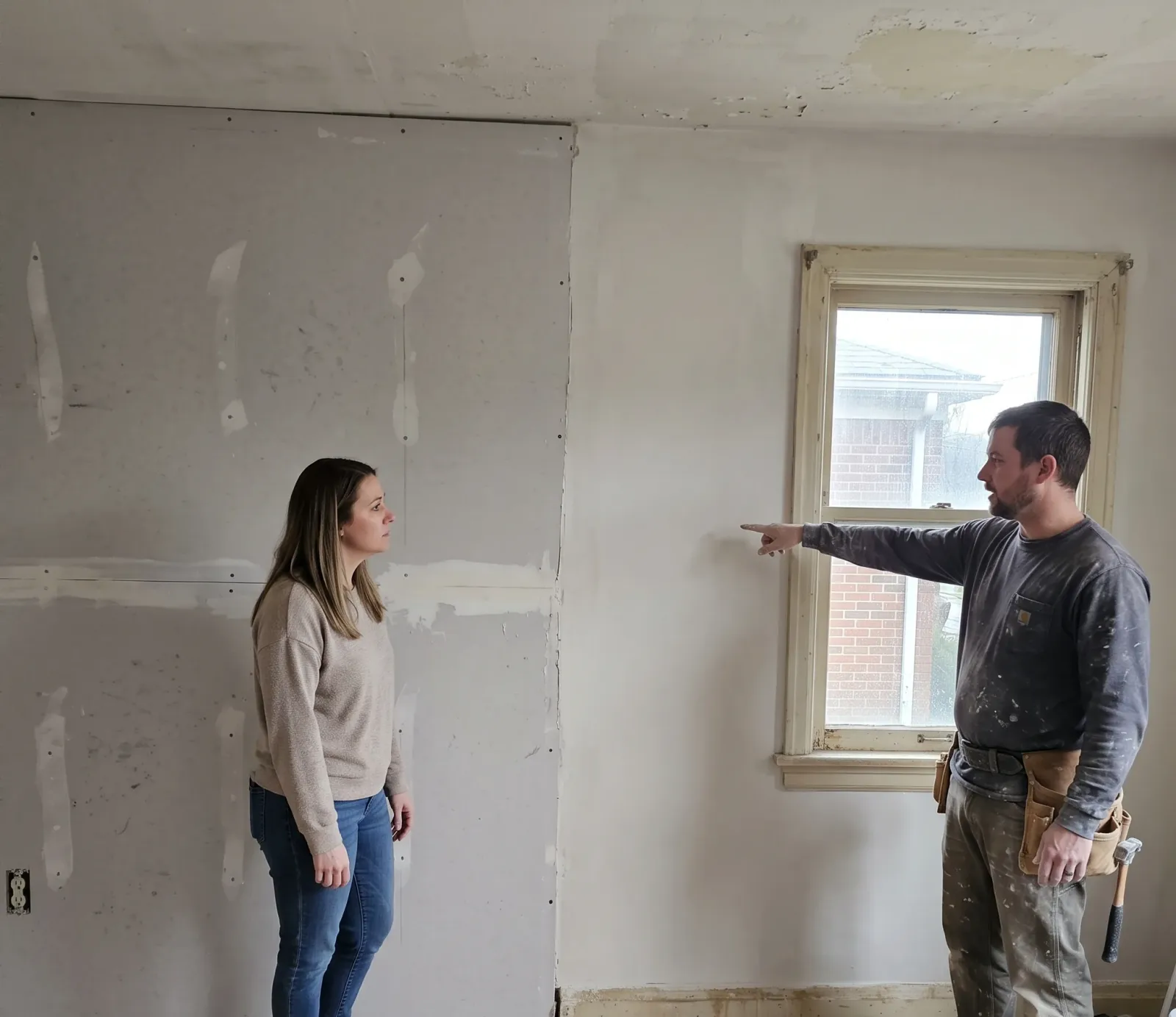
Walking Through Standing Water
Learn when electrical uncertainty or hidden floor hazards make walking through standing water unsafe, and how to keep people clear while a professional plans a safe assessment.
Read article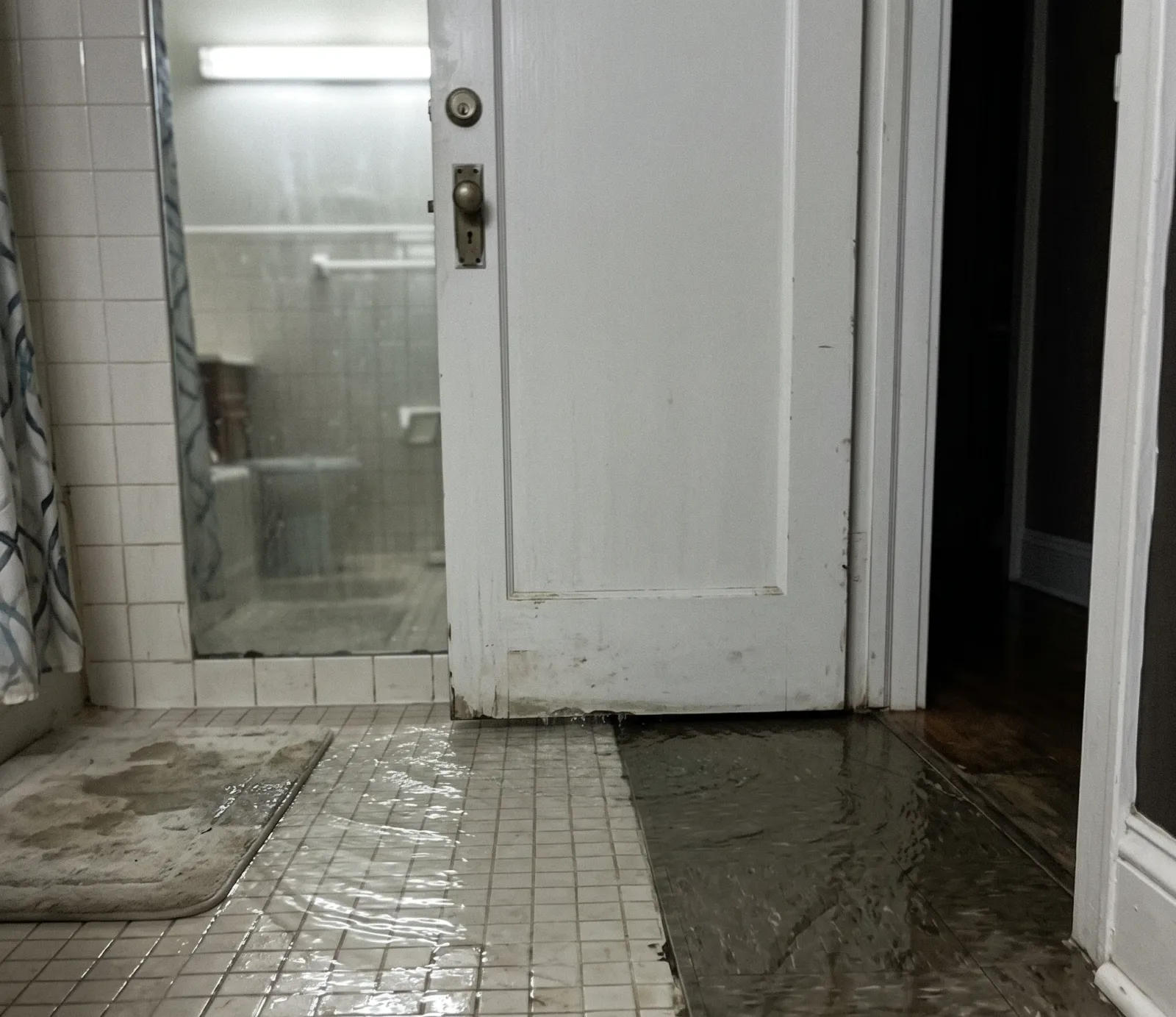
In Concord, avoid wet tile near power and note nearby landmarks such as North Union Street
After rain, a Concord ranch or split-level may have water on entry tile even when the rest of the room looks clear. Water may come from a plumbing leak rather than rain tracked in at the entry. Stop before stepping in if outlets or appliances may be wet, and keep people out while electrical safety is uncertain. When requesting help, describe the wet rooms and any floor layers the owner knows about.
In a Concord ranch or split-level, a tight kitchen, fixed island, or narrow route from the entrance can affect how easily a provider reaches wet tile and its edges. The pros we connect you with can first identify the agreed work area, check accessible grout joints and boundaries, then remove surface water with suitable equipment. Room access, the amount of pooling, and how much edge work is reachable can affect the scope and timing. Ask for moisture readings at accessible points and a written record of findings; those checks help determine what follow-up is needed.
Finding the moisture source helps prevent mold from returning after affected materials are cleaned or removed.
When water reaches a lived-in home, residential emergency water extraction lays out that service; commercial emergency water extraction is for owners handling extraction at rental or business properties.
Grout that stays darker after the tile faces have been blotted can mark where water has settled between the joints. In a Concord home, that appearance is a reason to show the provider the affected pattern and ask whether the joints are reachable for extraction. It does not reveal how far moisture extends below the tile. If water is still present, avoid stepping through it until the area has been checked for electrical hazards.
Water gathered beside a cabinet toe-kick or at a doorway can be easy to miss when the middle of the floor looks clear. That boundary matters because fixed cabinetry and thresholds can limit access to the tile edge. In Concord, point out each damp perimeter and any nearby outlet or appliance before work begins. Water can follow grout joints beyond the visible puddle, so note damp lines outside the wettest area.
A lingering damp odor or a cool patch after visible water is gone can prompt a closer moisture check. Tile and grout alone cannot show whether the setting materials beneath them have retained moisture, and a reading at one accessible spot may not describe the entire floor. Tell the provider where the sensation or odor occurs; recorded readings can help identify areas that may need a separate drying step.
Check whether water reaches outlets or appliances; if electrical safety is uncertain, keep out and wait for qualified guidance before tile work starts.
The provider reviews tile, grout, room access, and reachable boundaries, noting electrical concerns before work proceeds.
Suitable equipment lifts pooled water from the tile and accessible joints within the agreed work area.
Keep a record of which tiled surfaces were reached during extraction and which remained blocked.
Tile can look clean while dampness remains at grout joints or in layers that cannot be seen from above. That matters in Concord homes with different floor assemblies: the surface alone cannot settle whether moisture assessment or drying should follow. If a leak is ongoing, extraction alone will not stop new water from entering the tiled area.
On a Concord tile floor, a clear-looking surface can still leave questions at grout joints and room edges. The pros we connect you with can inspect accessible seams and take moisture readings where the agreed assessment permits; readings help locate damp material but do not prove every concealed layer is dry. An owner who knows whether tile sits over a slab or another floor layer should say so before work is scoped. That detail guides what can be checked without guessing.
Homes around North Union Street, South Union Street, and Edgewood sit within Concord’s varied residential setting, but nearby district names do not predict how a given floor was built or what it retained. Share the service address, the rooms involved, and any known tile underlayment or subfloor information. Ask that the estimate state which surfaces and accessible edges are included, and request written notes of work and moisture readings to keep with the property record.
Concord estimates for tile floor water extraction vary with affected space; near Rocky River or elsewhere, the pros we connect you with can identify the visit fee and extraction boundaries in writing.
| Rooms and Surfaces | Pooled Water Cleared | Damp Materials Ahead |
|---|---|---|
| Compact cleanup | Creek Park reference: surface water pickup limited to reachable flooring | an estimated $250–$1,200 |
| Single zone | Visible pooled water cleared within the estimate’s accessible work boundary | an estimated $290–$1,560 |
| Linked interior | Concord floor-area extraction: reachable pooling only, excluding source repair | an estimated $250–$1,200 |
| Structure-wide | Open-floor water pickup within the estimate’s stated room boundary | an estimated $600–$4,800 |
A homeowner can decide what to approve in stages: first identify the water removal work, then review any proposed add-ons or longer-lasting replacement choices. The full pricing guide gives context for those decisions; ask the pros we connect you with to note each approved change in the estimate.
The licensed pros we connect you with can confirm which areas have standing water before choosing an extraction approach. In a Concord home, fixed cabinetry or a narrow route can limit which edges are accessible. Confirm the work area before extraction and ask for any access limits to be noted in the written scope.
Yes, when the grout lines or floor boundaries are reachable and included in the agreed scope. Water can remain where joints meet or along a threshold, cabinet, or wall. Point out those locations before work starts, especially where fixed cabinets restrict access, and ask the provider to identify any area that could not be reached.
Water extraction removes accessible standing water, while tile or grout repairs require a separate scope. The readings and their locations should be documented, since tile conceals layers below it. The findings can indicate whether a separate drying step should be considered; they do not by themselves establish that the full floor is dry.
Tile can look intact while moisture remains in the layers below it. Grout joints and tight edges may take more attention than an open patch of tile. In Concord, describe which rooms and boundaries are affected and point out obstacles; the written estimate can clarify the work being priced, while concealed floor layers may still require assessment.
Timing depends on the amount of water, the size and layout of the tiled area, and how readily the provider can reach grout lines and floor edges. A crowded room or fixed cabinetry may add work. Equipment placement and setup can also affect how quickly extraction begins.
The agreed work can remove visible water from the identified tile area. Moisture readings at accessible points may also be included if arranged. Those checks can flag dampness around grout or floor edges, but they cannot confirm every hidden layer is dry. Tell the provider what rooms are involved and what the owner knows about the tile base so the scope can state what will be checked.
Emergency Water Extraction has an estimate of $700–$1,400 for this work. Water volume, affected materials, access conditions, and the agreed scope determine the amount the provider confirms.
If water may have reached outlets, pause entry until a qualified person can assess safety.
Learn when electrical uncertainty or hidden floor hazards make walking through standing water unsafe, and how to keep people clear while a professional plans a safe assessment.
Read article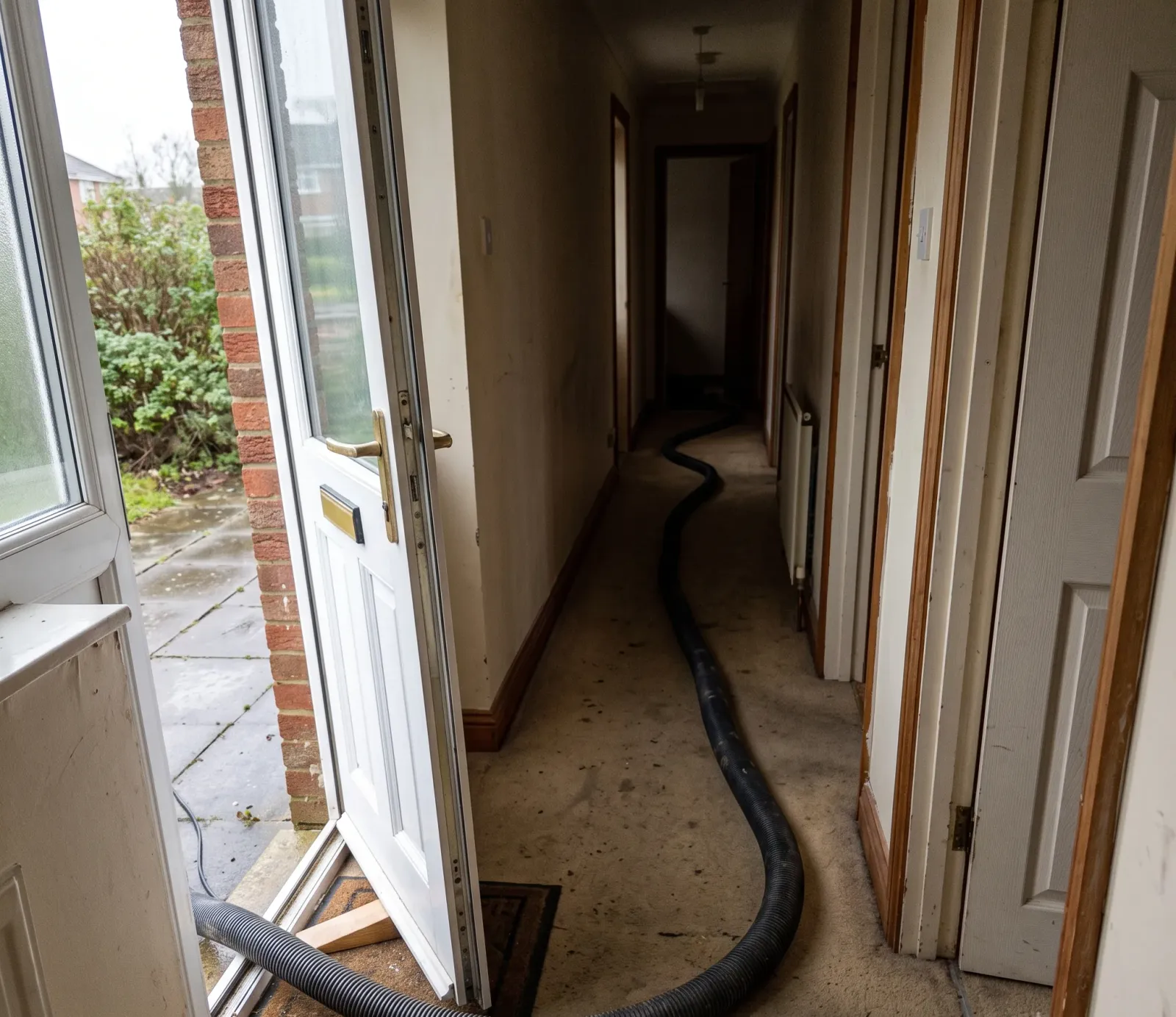
How quickly can extraction help reach a Concord home? Learn what to report, what can affect an arrival estimate, and what to ask while waiting.
Read article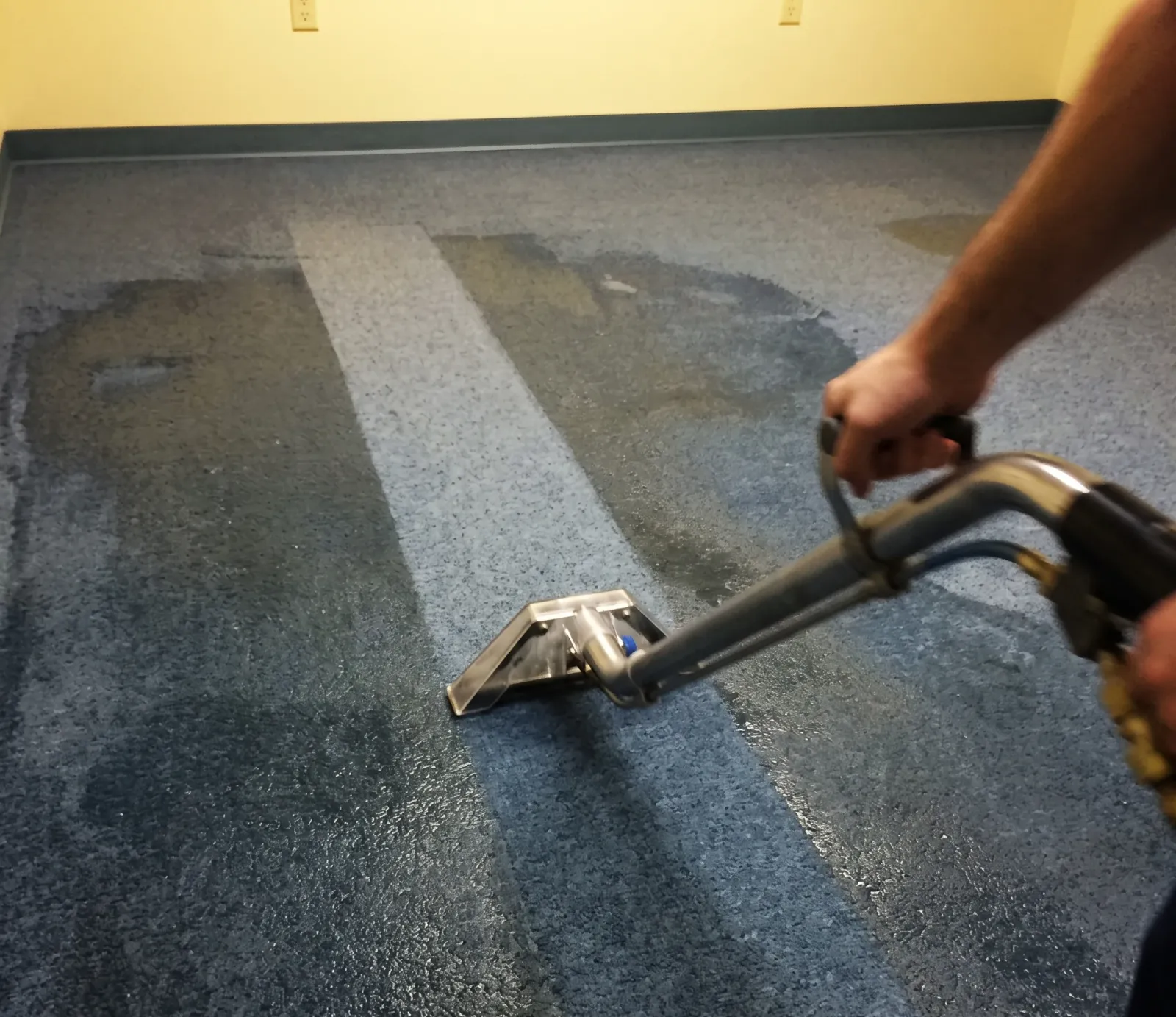
How long does emergency water extraction take in Concord? A continuing water source can change the clock. Learn what a local duration estimate counts and what to ask.
Read articleA street or neighborhood name helps locate a request, but it cannot show what happened inside a property. When asking about Emergency Water Extraction in Concord, give the service address and describe the rooms involved, any obstacles to reaching them, and whether water is still entering. Ask what timing may be possible and whether an initial visit is charged. A written account of the proposed removal work can clarify what is included before the owner agrees to proceed.
Call (704) 209-7411