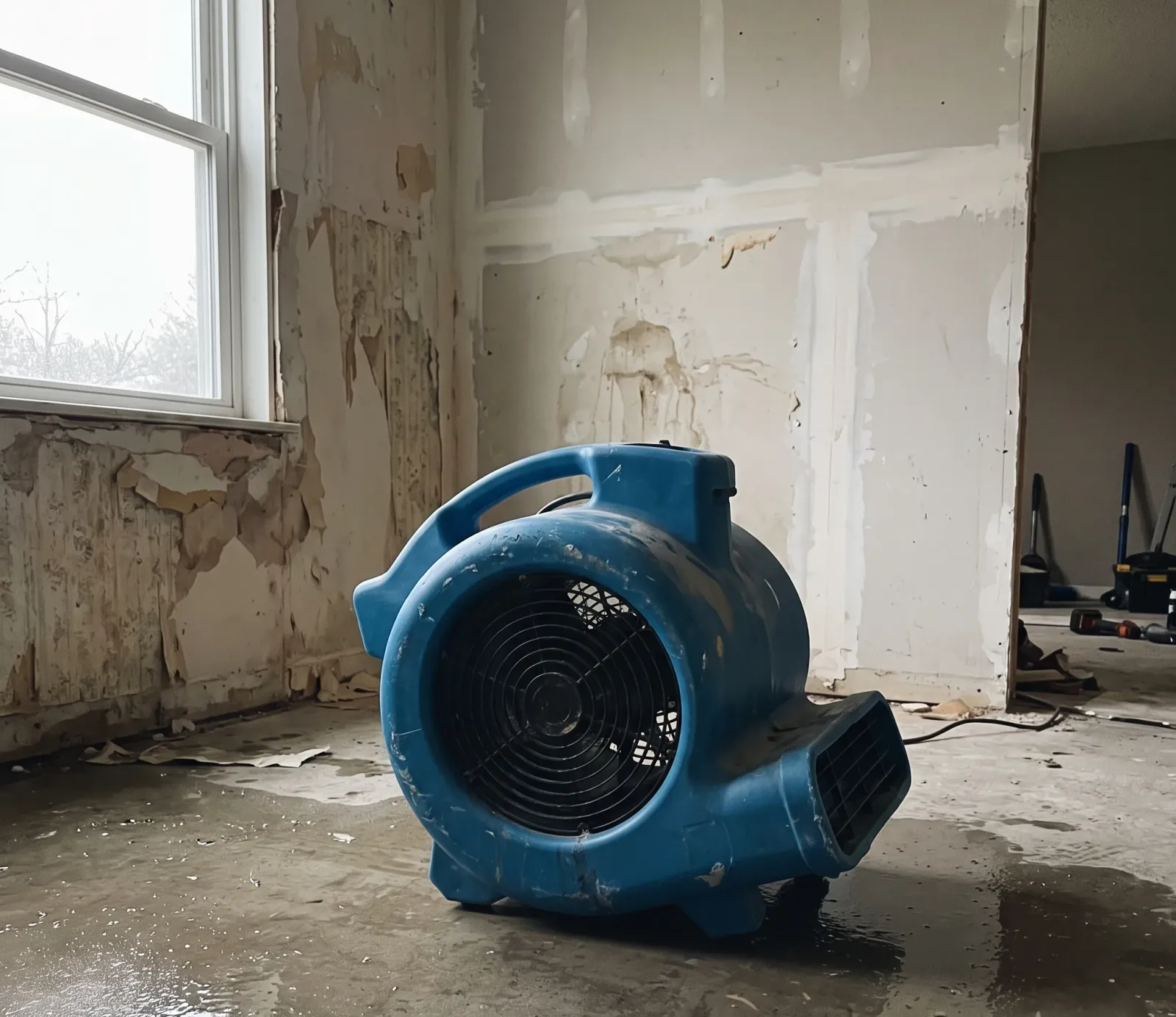
The Work of Removing Standing Water
Concord's Coddle Creek and Rocky River are local waterway references, while South Union Street helps locate a property in town. When water gets indoors, the room and materials affected determine whether clearing visible pooling is enough or further drying may be needed.
Rocky River and Edgewood are familiar Concord references, not proof of water conditions at a particular house. Local drainage and weather can shape where water gathers, while the property's own findings determine whether extraction alone addresses the affected area.
A request labeled Concord may still need a closer location check within Cabarrus. The pros we connect you with can use the home or business address to determine whether they can take a request there; a ZIP or city name alone may not settle it.
Clearing Pooled Water Indoors
- EXTRACTION
- Extraction covers pooled water that can be reached in the affected area.
- LEFTOVER MOISTURE
- Water can pass beyond the visible pool and affect other parts of a room.
- REVIEW
- Recorded readings can give the owner a basis for reviewing proposed follow-up work.
- DRYING
- A written scope can name collection, assessment, drying, and any separate repairs.
- WORK SCOPE
- In Concord, ask the pros we connect you with to distinguish pooled-water removal from any moisture review or drying listed for affected rooms.
- OTHER REPAIRS
- Concord's year-round rainfall can bring water indoors in different seasons, but the weather at the time does not show what a building retained. Property findings after collection guide whether drying is proposed.
- LABOR
- an estimated $800–$2,400
Keeping Clear of Electrical Danger
Structural drying after extraction is follow-up work for moisture in building materials. It is often discussed beside water removal because the tasks can happen in sequence, but each covers a different part of the cleanup. Compare the task descriptions in the proposal. Extraction refers to collecting accessible pooled water; drying refers to follow-up work for damp materials. The scope should say which areas and tasks are included in each.
Removing Pooled Water from Interiors
The pros we connect you with review the requested rooms and set out which accessible pooled water is included in removal. The written description should name the areas covered, so the owner can see the boundaries of the extraction work before other tasks are considered.
After collection, the provider may take moisture readings at selected locations and record the results. Those findings can guide whether drying belongs in the proposed work. A Concord homeowner can ask that the readings and any follow-up recommendation be documented with the scope.
The licensed pros we connect you with can help trace the source of water intrusion before cleanup moves forward. A single visit may suit accessible water in a safe area; continuing intrusion or damp materials that need assessment and drying call for an agreed follow-up plan.
WHAT PUMPS CAN CLEAR BEFORE DRYING EQUIPMENT IS NEEDED
| Safe Access |
Water Extraction |
|---|
| Water gathered around room contents | Written work records |
| Another rise after the first drawdown | Back Creek context |
| Pooling in rooms that do not adjoin | Extract pooled water; set equipment for drying |
CLAIM HANDOFFKeep a written record of the agreed tasks and any changes so there is a clear reference if questions come up later. The owner can ask the provider to describe which work is extraction and whether separate moisture assessment or drying is included, so the agreed scope is clear.
Which Materials May Need Moisture Checks
If cleanup ends while building materials still hold moisture, the removal stage may not be the end of the work. Any later remediation or rebuilding would be a separate scope, so ask the provider to describe those tasks separately if they are proposed.
Tell the Pros About Active Leaks
Keep electrical devices and cords out of standing water, and do not touch them while standing on a wet floor. Avoid lifting flooring or opening walls to look underneath; that can damage materials and still miss moisture elsewhere. Ask the provider to distinguish standing-water removal from any assessment or drying included in the proposed work.
Unknown Water Sources Call for Caution
Lingering dampness can also create conditions for mold growth, which may affect indoor air and require further cleanup. Moisture can remain in flooring, subflooring, or lower wall materials after the surface looks clear, and those materials may need a separate check and structural drying. If dampness or swelling persists, ask the provider what remains and whether assessment or drying is part of the scope.
Which Water Conditions Shape The Work Plan?
Have the pros we connect you with list the removal tasks and equipment proposed, so the written estimate shows what the work covers.The licensed pros we connect you with can assess which materials in the affected area need removal. A ranch and a split-level can take different extraction work as water spreads across materials and access changes. Request a written estimate for the affected area and removal scope; drying and source repairs need separate planning.Use pricing guide to weigh the full range of charges; read Subfloor Water Extraction for urgent removal when water is standing.