Truck or Portable Extraction for Concord Homes
In Concord, room layout and water volume help crews weigh truck reach against the flexibility of a portable setup.
Crews weigh water volume and affected surfaces against vehicle access, distance, hose routing, stairs and room layout. Rooms on another level can make the route for equipment more involved. The plan may combine both when access differs across the property.
Start With Equipment Placement
On a Concord job, the first choice is whether a truck can get close enough for its mounted system to serve the wet area. A blocked drive, long carry from parking, narrow entry, or stairs can favor a portable water extractor that can be brought inside. The pros we connect you with also weigh the amount of pooled water and the surface under it. A ranch near Rocky River may have a direct route; a split-level near Coddle Creek can call for a different setup because access between levels is less direct.
A truck-mounted setup keeps its main equipment in the vehicle, so the route from parking to the work area matters. A long or awkward path may limit where it can be used, even when the affected room is large. At a Concord ranch with an open entry, the arrangement may be straightforward; a blocked approach or restricted stopping area can change the plan. The owner can point out where a vehicle could stand and which rooms lie beyond that point.
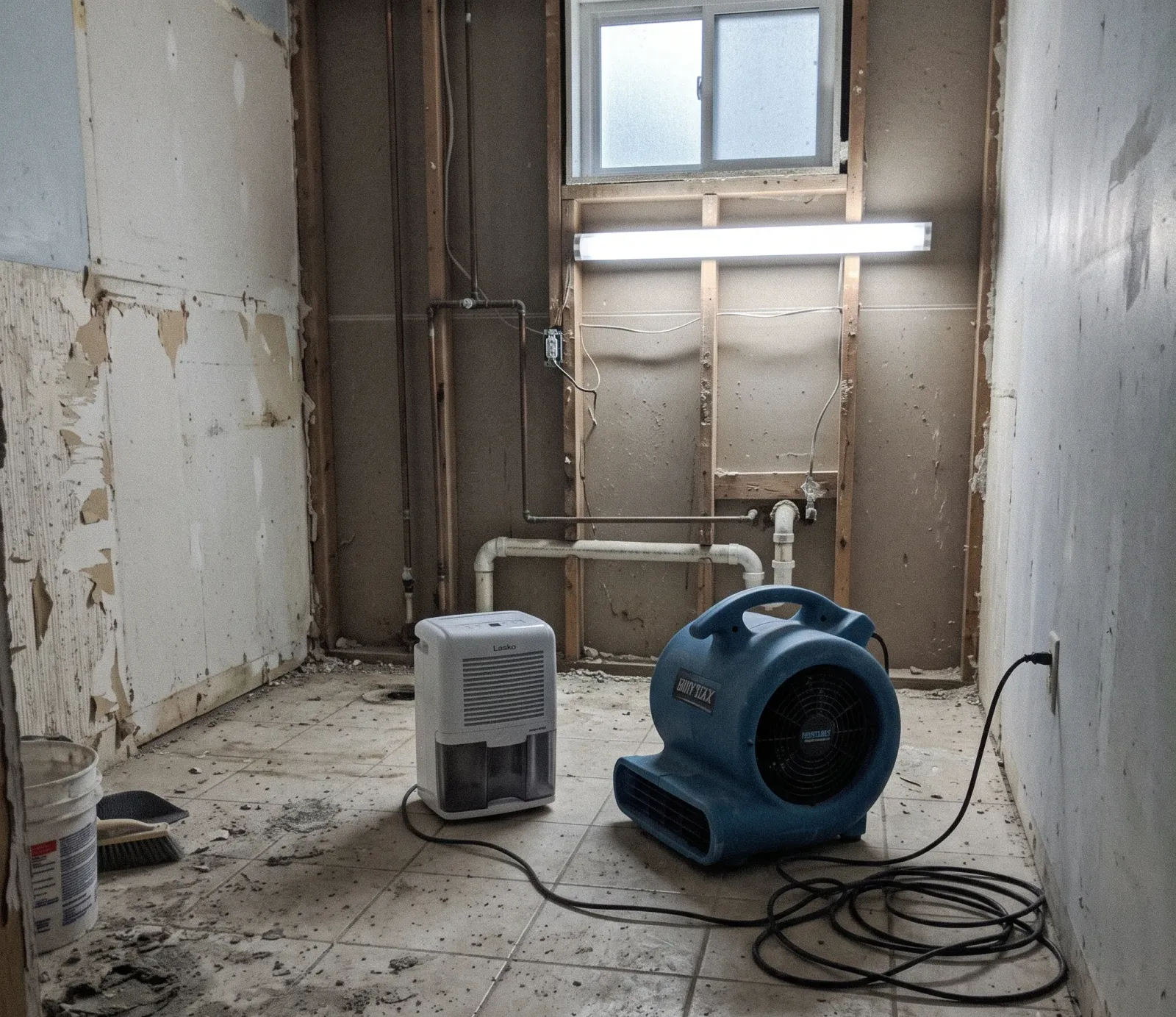
Portable equipment offers more flexibility inside the building. On a split-level home, stairs, landings and tight turns can make it useful to position a machine near an affected room, though the unit still needs a workable place to operate. Edgewood properties may have different entry and interior layouts from one another, so a neighborhood name cannot settle the equipment choice. The owner should describe the actual route and any doors or steps that could restrict movement.
Follow the Hose Route
The water and the surface beneath it also matter. A wide area of shallow water on a firm floor calls for different handling than water held in carpet or spread across rooms with varied flooring. More water may make a higher-capacity setup useful if it can reach the work area. But capacity alone does not decide the job: the pros we connect you with need to match the equipment to the surface and the visible conditions.
A hose route can cross more than an open doorway. Turns, thresholds, furnishings and distance from the vehicle can affect whether a truck-mounted system can serve a room without disrupting access through the house. In a home near North Union Street, as elsewhere in Concord, the owner can show the intended path and flag any narrow passage. The provider can then explain whether that route is workable or whether portable equipment suits that room better.
Some jobs benefit from using both options as work moves through the property. A truck-mounted system may handle a broad, open area, while portable equipment can reach a separated room where the hose route is awkward. For a Concord home in Edgewood, ask the pros we connect you with whether the plan may change between connected rooms and tucked-away spaces. That explanation can show how the proposed setup fits the layout and where a different tool may be needed.
Match Output to Water Load
Concord identifies flood hazards near rivers and streams and in places with drainage problems. That city guidance gives an owner a reason to learn about local conditions, but it does not establish the risk at a particular property. Rocky River and Back Creek are local water features; their presence does not tell a crew which machine a specific home needs. Equipment selection still follows the water inside, the affected surfaces and the access available at that address.
The pattern of water can change the setup. One open room may let a truck-mounted system serve a large area, while separated rooms or a finished lower level may require equipment to be repositioned. A portable unit can address a section beyond the practical reach of the main setup, provided there is a safe, accessible route. The owner can point out where water is visible and where flooring or room transitions may interrupt a continuous work area.
Know When Setups Can Pair
The choice can involve both types of water extraction equipment. A truck-mounted system may handle an open area near its route, while portable equipment serves a room beyond a doorway or on another level. The reason for combining them should be tied to actual access or surface needs. At a Concord home, a clear explanation of which equipment addresses each area helps the owner see what the proposed work includes.
Before discussing options with a provider, the owner can note where a vehicle may stop, how far the affected rooms are from parking, and which stairs or narrow entries lie along the way. Include the wet surfaces and any separated areas. Mark any doorways where hose routing may need to change direction. These details give the pros we connect you with a clearer basis for comparing setups.
Details to Share About the Property
- Mark the rooms and surfaces with visible water, including where one continuous area becomes separate sections.
- Keep loose belongings out of the hose path before the work area is reviewed.
- Ask which rooms each proposed machine can reach and what work the estimate includes.
- For a Concord address near North Union Street, note which rooms hold water and whether carpet, finished flooring, or mixed surfaces affect extractor choice.
- Record stairs, tight turns, door clearance, and where equipment can be staged; truck-mounted units need workable access, while portable gear can be carried closer.
- For a property near South Union Street or Edgewood, note the route from parking to wet rooms and floor transitions to help compare one setup with a combination.
Extraction Questions
Will truck-mounted equipment reach rooms at the back of my Concord house?
Ask the provider to identify how equipment time is reflected in the estimate. A truck-mounted setup may suit a large open area when the vehicle can stay close; added routing or portable equipment may alter the work involved. Ask the provider to connect each equipment choice to the areas and tasks included in the written estimate.
When is a portable extractor easier to use on an upper floor?
A truck-mounted setup may serve an upper room if its route and equipment reach allow it, but stairs and turns can make that impractical. Portable equipment can be placed nearer an upstairs work area if it can be moved there safely. The provider should assess the actual path, including landings and narrow doors, before explaining which setup can serve that room.
Can crews use both extractor types during one water removal job?
Yes. A provider may use a truck-mounted system for an accessible open area and portable equipment for a separate room or level. The proposed scope should identify which areas each setup will address and explain why using both fits the layout or surfaces. That makes it easier to understand what the water removal estimate covers.
Describe the Rooms and Access
For a Concord property near Irish Buffalo Creek, tell the pros we connect you with about stairs, parking distance, access limits, and floor types.
Call (704) 209-7411