School and Campus Water Extraction
Campus Water Removal
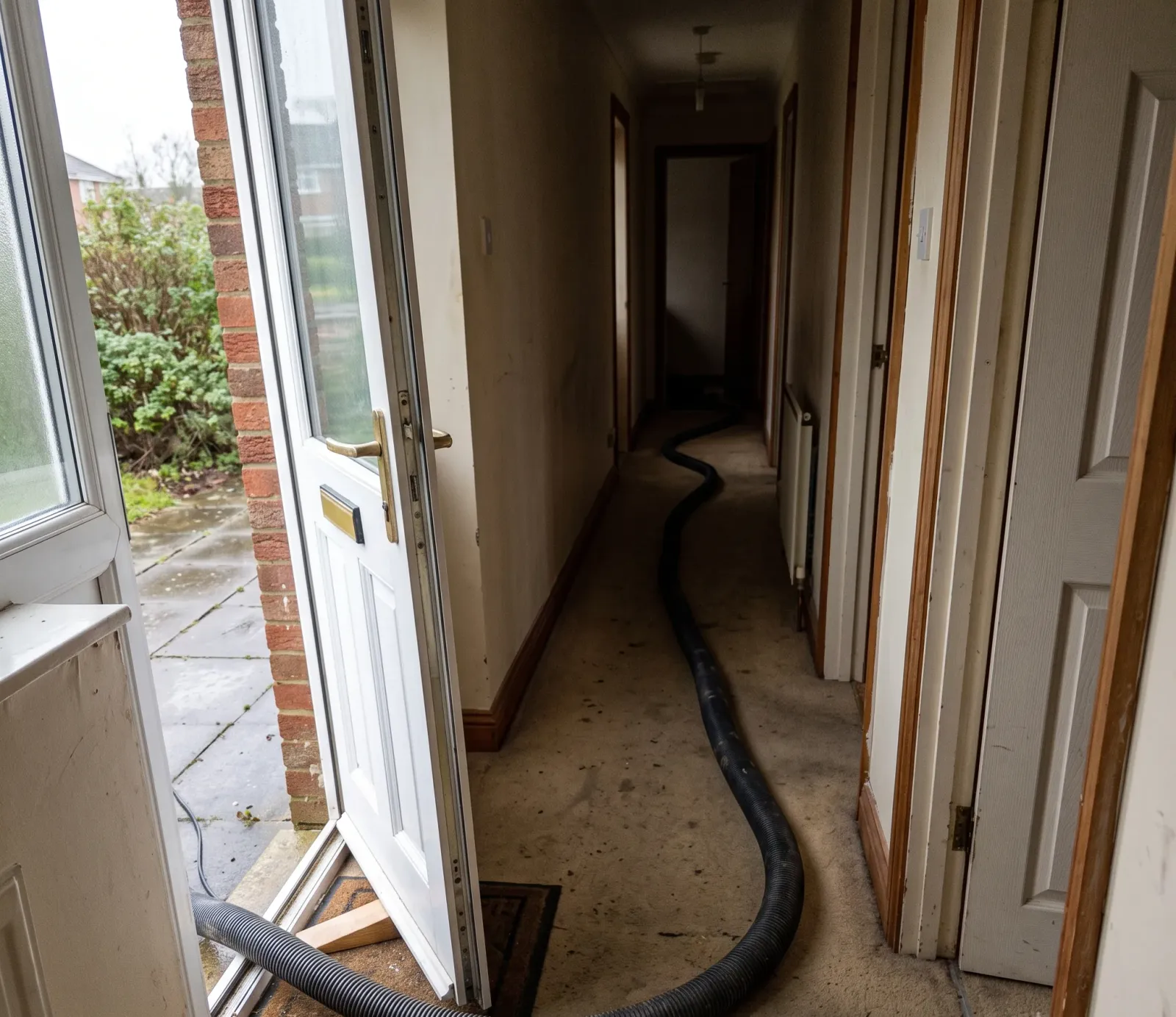
Coordinate hotel water extraction across affected addresses while keeping each site’s access plan and operating needs clear.
Hotels can arrange emergency standing-water removal by listing affected areas and access limits for each address, then coordinating a work sequence with facilities and operations. Set guest routes around active work and name who can approve changes, so service decisions stay clear as conditions are assessed.
Hotel water extraction is the removal of pooled water from affected hotel areas. The first planning task is to set clear boundaries: which rooms or shared spaces need attention, which entrances and routes are safe to use, and who can make decisions for each property. A Concord hotel coordinating several affected addresses benefits from one incident view, with each location identified separately. Nearby names such as North Union Street, Edgewood, or Rocky River can help orient staff, but the property address should anchor the work plan.
A single call can cover several sites, but each address needs its own agreed work area and access notes. One hotel may have a blocked service passage while another has pooled water in rooms; combining them into a vague request can leave staff unsure what the provider was asked to handle. Ask the pros we connect you with to explain how they will keep the locations distinct while coordinating the response. That gives facilities and hotel operations a shared starting point.
The aim is to remove standing water without sending guests or staff through an unsafe area or disrupting more of the property than needed. Extraction may involve equipment moving through service routes, and the affected area may need to stay closed during work. Before arranging hospitality water removal, have a hotel contact ready who can answer access questions and coordinate decisions with facilities. That contact can also keep the plan consistent if more than one Concord property is involved.
Build the location list from what staff have actually seen. For each address, note the floor or room, the nearest staff access point, and whether water is confirmed or the area still needs checking. Concord’s Bakers Creek Park and Village Park are local reference points, not substitutes for a full property address. Clear labels help a provider distinguish one hotel site from another and keep a report of the proposed work tied to the right building.
Map the guest and staff routes before equipment arrives. If a passage is needed for check-in, room service, housekeeping, or an event, identify another route or discuss a work window with the provider. A detour that seems minor on a facilities map can create a queue when guests and carts meet in a narrow corridor. Agreeing on signs, barriers, and who will direct people helps hotel operations keep movement away from the work area.
| Location | Movement limits | Removal tasks |
|---|---|---|
| Site identifier | Hotel name and street address | Ties each work area to the correct property |
| Water footprint | Pooling and suspected spread by room or shared space | Separates observed water from areas still unchecked |
| Guest route | Usable corridors beside the work boundary | Gives front desk staff a clear way to guide guests |
| Service route | Loading access and path from entry to each area | Helps coordinate provider entry with deliveries and housekeeping |
| Room availability | Rooms held out of use during removal | Gives operations a basis for adjusting guest placements |
| Operating periods | Check-in, meal service, or scheduled events | Helps select a workable time for equipment movement |
| Site handoff | Areas reached and removal still in progress | Lets the next shift pick up current coordination |
| Needs review | Unclear access or possible spread beyond the mapped area | Points facilities staff to questions for the provider |
Decide how the provider can reach each affected area with the fewest necessary doors and corridors in use. Share service entrance instructions, elevator limits, access controls, and any staff-only boundaries. At a Concord property, a reference such as Research Campus may help orient a team to the area, but the exact entrance and hotel contact still need to be stated. This advance detail can prevent avoidable trips through guest spaces.
Ask what equipment and hose routes the work may require, and which doors, elevators, or loading areas should remain clear. Then compare those needs with shift changes, deliveries, meal service, and other hotel routines. A route that works during a quiet period may obstruct staff during a handoff. Share any practical limits before the provider begins so the work plan can account for them and operations can tell affected teams what to expect.
Even after visible water drains, damp materials can keep the affected area unsafe until they have been checked and dried. Staff should not test electrical safety by walking through the affected area; follow local emergency guidance and get qualified help when the risk is unclear. This safety boundary comes before guest convenience or keeping a room available. Tell the provider what hazards have been observed, then use a different route until the area is assessed as safe.
When several areas or addresses need attention, ask the provider to explain the planned sequence and what could change it. The order may depend on safe access, the extent of visible pooling, or whether hotel staff can clear a route. Facilities can identify building constraints, while operations can flag guest-facing pressures such as arrivals or service periods. Agree on who can approve a change so one location’s needs do not silently alter the plan for another.
Set the extraction scope by naming the affected rooms or shared areas at each property and asking the provider to confirm what is included. If staff report another wet area that has not been seen, mark it as unconfirmed and ask how it will be handled. Pumps or wet vacuums may remove pooled water, but that work does not repair a leak or establish that materials are dry. Keep those follow-up needs visible as separate decisions.
During the response, give facilities and operations one concise update for each address: what area is being worked on, which routes are restricted, and whether the plan has changed. A shared update reduces conflicting instructions at the desk, in housekeeping, and with maintenance staff. It also lets a Concord hotel compare the status of its sites without treating one building’s access conditions as if they applied to every location.
After work, keep the provider’s description of the locations addressed with the hotel’s incident notes. A written estimate and a record of the removal work may help staff explain what was requested and performed if they later speak with an insurer. Do not assume the paperwork establishes coverage or reimbursement; policy terms and the circumstances of a loss matter. Keep observations about unresolved areas with the relevant property record.
When visible water is gone, compare the completed work with the agreed locations and note anything the provider could not reach. Water removal alone does not confirm that floors or other materials have dried. Ask what moisture concerns were observed and whether assessment or drying should be arranged as a separate step. That gives facilities a basis for deciding whether an area can move toward normal use, without treating extraction as proof of full recovery.
To arrange emergency hotel water removal, prepare the address list, affected-area notes, access restrictions, and the name of the person coordinating facilities with operations. Then ask the pros we connect you with to describe the proposed scope and how they will coordinate across the sites. For a Concord hotel, distinguish the actual property location from nearby references such as Safrit Park; precise site details keep the response tied to the right building.
When a hotel group needs commercial water extraction at several Concord addresses, a shared plan can keep the work coordinated while listing each property’s affected rooms, access needs, and approvals separately. One site may need a lobby kept open while another has a service area closed. References such as Edgewood or North Union Street can help distinguish locations, but do not establish that a property has flood exposure. Ask how the proposed scope accounts for each address, its work sequence, and any site-specific access constraints.
County links give owners a starting point for routing a water-removal inquiry; use them to see which communities the pros we connect you with may cover, includingConcord, Kannapolis and Harrisburg. Before choosing a visit time, clarify whether an onsite review carries a fee; ask the written plan to distinguish pooled water removal from drying.
For a warehouse or multi-room workplace, pricing is commonly built visit by visit and adjusted to the square footage requiring removal and expected repeat attendance. Use $700–$1,400 as a guide; pallet rows, equipment placement, and limited routes to wet sections can affect the work plan.For a Concord business, a wider wet area or difficult access can change the equipment and labor plan, which affects the estimate. When calling, describe which sections hold water, access routes, nearby machinery or contents needing care, and any active source so the pros we connect you with can size the work.Emergency Water Extraction cost ranges appear in pricing guide; commercial overview explains commercial removal and what may follow for damp materials.
Campus Water Removal
Concord Restaurant Water Extraction
Healthcare Extraction Planning
Set a marked boundary around the active work area and direct guests along a route that does not cross it. In Concord, the front desk and facilities contact can agree on a simple update before work starts, then revise it if access changes. Photograph visible damage before cleanup begins so the affected materials can be reviewed afterward.
Give the provider a separate address and site contact for each affected hotel, then identify the rooms or shared spaces involved at each one. Include operating constraints, available service entrances, and who can approve a change in room status. This lets the provider discuss a coordinated plan without treating several properties as one work area.
A hotel may be able to keep unaffected services running if staff can separate guest movement from the work area. Facilities and operations should decide which entrances or services can remain available, and tell the front desk what has changed. Near Coddle Creek or Rocky River, do not infer a property’s flood exposure from the waterway; check conditions for that address.
Ask for the proposal to show how work at each address is handled, including access arrangements, work sequence, and any approval needed if the scope changes. A multi-property plan may coordinate the jobs, while different room layouts or operating limits can call for different arrangements. Clarify whether follow-up services, such as drying or source repair, are separate before approving the work.
Share each Concord hotel address, affected areas, and access limits with an independent provider, then coordinate the proposed sequence with facilities and operations.
Call (704) 209-7411