Hotel Water Extraction
Concord Hotel Planning
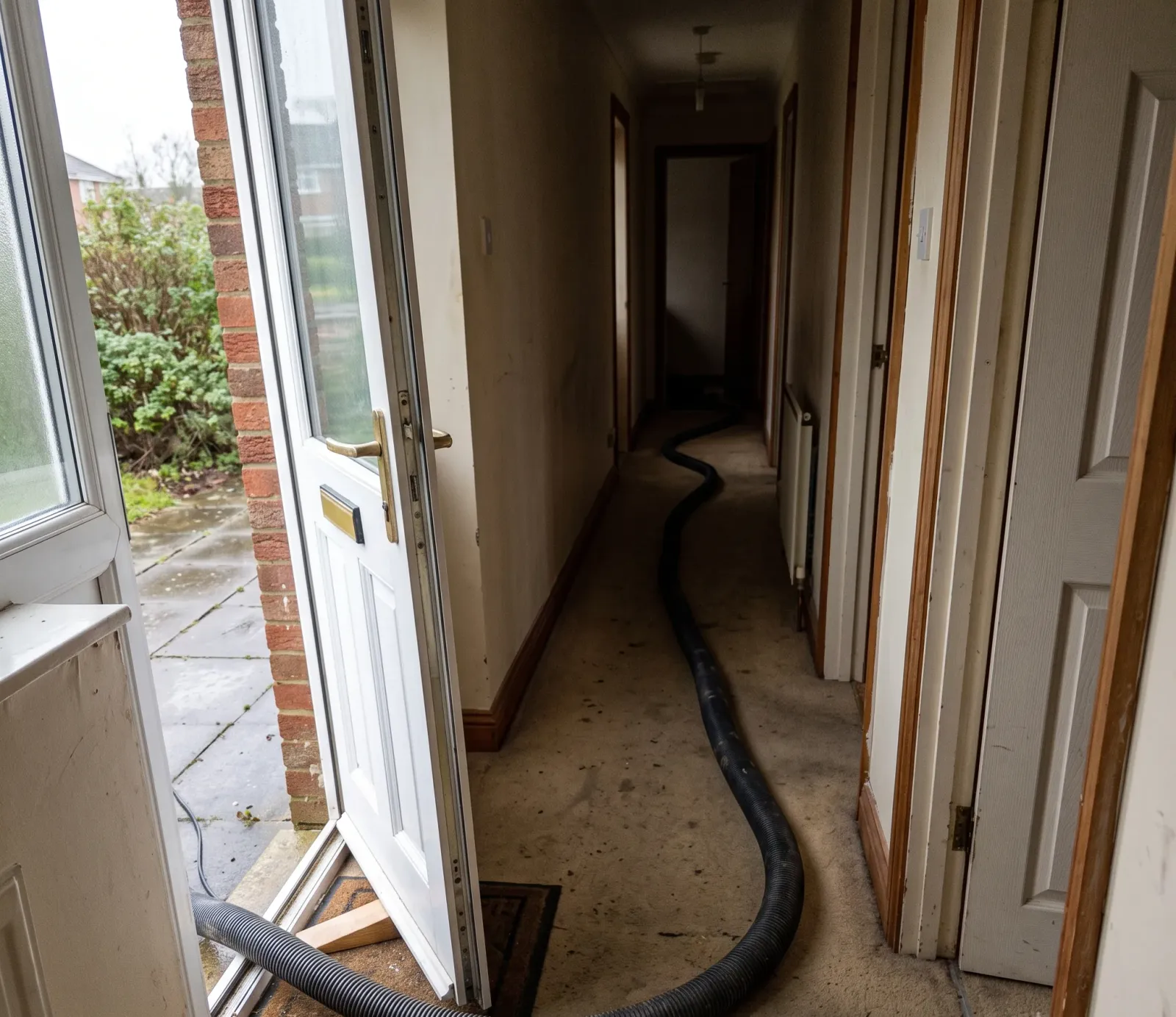
Plan campus water removal by address, with room maps, approved access, and clear handoffs for follow-up.
Schools can map wet classrooms and shared spaces by address, keep people clear of unsafe areas, and coordinate approved routes with facilities and campus operations. Ask an independent provider to define the extraction scope for each site and clarify who will handle moisture follow-up.
Keep students and staff out of standing water when electrical safety is uncertain; stop at the affected area and get qualified help. Then give facilities one campus-wide view of the situation. In Concord, school water extraction planning works best when each affected address has its own clear scope, with classrooms and shared spaces identified inside it. That lets the pros we connect you with coordinate removal across locations while campus operations considers room access, schedules, and what needs follow-up.
Start with a simple map for every affected building. Mark the rooms where water is visible, the routes between them, and any shared spaces that may also need attention. Use consistent building and room names so a report from one Concord site can be compared with another without confusing similar classroom labels. A map that distinguishes separate addresses makes it easier to discuss what belongs in the extraction scope and who can provide access at each location.
A classroom may sit within a larger disruption. Note whether water reaches a library, cafeteria, gym, entrance, or corridor used by other groups, since those spaces can change which doors remain usable and where people need to be redirected. In Concord, campus water removal planning should account for the route between the affected room and the building exit as well as the room itself. Shared use can turn a small wet area into an operations issue across several programs.
Do not send staff to inspect water where wiring, outlets, or powered equipment may be wet. Keep the area clear and follow local emergency guidance until someone qualified can assess whether entry is safe. This matters in a school because a wet classroom can also contain computers, charging carts, or equipment needed for instruction. The site contact can report what is visible from a safe location, then leave closer inspection and emergency school water removal planning to the appropriate responders.
Before arrival, identify who can open each building and which entrances are available without crossing an active class or event. Give facilities and campus operations a shared access plan, including restricted doors, check-in expectations, and any rooms that must remain undisturbed. For a Concord campus, that preparation helps the pros we connect you with reach the right space at each address and reduces avoidable interruptions for students, staff, and scheduled activities.
| Campus space | Entry plan | Site contact |
|---|---|---|
| Classroom impact map | Wet floors may restrict room use | List rooms included at each address |
| Student route restrictions | Foot traffic crosses work areas | Set a safe route around equipment |
| Shared-use room status | Shared schedules affect access | Agree on work windows with operations |
| Authorized entry points | Shelves and materials can narrow reach | Identify reachable wet floor areas |
| Facilities access windows | Large rooms may need staged entry | Plan equipment placement with facilities |
| Address-level work records | Open floors can spread pooled water | Mark the affected section by building |
| Drying follow-up needs | Records and devices need careful access | Note restrictions before extraction begins |
| Residence halls | Occupied rooms require planned entry | Coordinate notices and access with staff |
After water is removed, visible floor space may still be only part of the picture. Flooring and nearby materials can retain moisture, so the campus contact should arrange an appropriate moisture check before treating a room as ready for normal use. The removal scope can identify which spaces were addressed at each Concord location and flag where follow-up may be needed. That gives facilities a practical handoff without treating extraction as proof that every affected material is dry.
Drying equipment, if needed, can affect room layouts and movement through a building. Facilities can identify suitable placement areas, protect required exit paths, and check whether equipment would interfere with instruction or shared use. Keep those decisions tied to the specific room and address; one site may be ready for this next step while another still needs access arranged. That distinction helps campus operations plan around actual conditions rather than a single campus-wide status.
Plan a separate check-in for each affected address, with a named contact who can report whether rooms remain closed, need another visit, or can move to the next stage of review. Concord campuses may have different schedules and access limits, so a single update from one building should not stand in for another. A clear handoff between facilities and operations helps prevent a room from returning to use just because water is no longer visible.
The practical scope depends on how many locations and rooms are involved, how water has spread through shared areas, and what access constraints affect removal. If a classroom is affected at one address and a common area at another, the work plan needs to make those boundaries understandable. In Concord, this also helps administrators consider downtime by building: some programs may continue elsewhere while particular rooms or routes are unavailable.
Decide who can restrict a room, approve entry, and tell staff when plans change. Facilities can coordinate building access, while campus operations can manage schedules and communicate alternate arrangements to affected groups. At a Concord school, assigning those responsibilities by location keeps decisions from getting lost between departments. The extraction provider needs a reliable site contact, but room reopening should follow the institution’s own safety and operational process.
For work across several addresses, keep one coordination record with a distinct section for each site. Include the building and room identifiers, access contact, spaces discussed for removal, and any open follow-up item. The aim is to make the shared extraction scope legible across locations without blending one building’s status into another’s. Concord facilities teams can use the same naming scheme in their campus communications so staff can tell which rooms are part of the response.
Confirm with the provider which affected spaces are included in water removal and note concerns that call for a different response. An active leak needs source repair separately; sewage cleanup, mold remediation, and reconstruction are also outside extraction. Ask the licensed pros we connect you with how they will protect belongings and keep unaffected areas clear during extraction. For a Concord campus, clear boundaries let administrators coordinate the immediate removal while routing other needs to the right qualified help.
Give the provider each campus street address, building name, and the entrance facilities has approved. A landmark can help orient someone, but it should not substitute for the exact location and access instructions. If references such as Creek Park, Mallard Creek Greenway, or University City are relevant to local wayfinding, use them only as added context after confirming the address. Concord dispatch details should make clear which campus and which building need attention.
The next step is to mark affected classrooms and shared spaces at every site, note where access is limited, and identify a contact for each address. Then ask an independent extraction provider to define the removal scope and explain how coordination will work across locations. Concord administrators can also ask how the provider will communicate room-level progress and flag follow-up needs. That conversation gives facilities and campus operations a concrete basis for managing access and downtime.
Keep people out of standing water until the area is judged safe; wet electrical equipment can make entry dangerous. For school water extraction across Concord sites, start with a separate room map for each address, including classrooms, corridors, cafeterias, and other shared spaces. Mark closed doors, student routes, and approved equipment paths so campus operations can plan around the work. Note which surfaces show visible dampness before equipment is placed, then compare those observations during follow-up. Ask the provider to define included areas and how drying follow-up will be handed off.
Standing water may call for prompt removal, yet service reach depends on the property address; see the county communities where extraction inquiries may be considered, includingHarrisburg, Mount Pleasant and Concord. If your property may sit beyond the usual service boundary, confirm any travel cost and get removal and drying described as distinct tasks.
For a warehouse or multi-room workplace, pricing is commonly built visit by visit and adjusted to the square footage requiring removal and expected repeat attendance. Use $700–$1,400 as a guide; pallet rows, equipment placement, and limited routes to wet sections can affect the work plan.For a Concord business, a wider wet area or difficult access can change the equipment and labor plan, which affects the estimate. When calling, describe which sections hold water, access routes, nearby machinery or contents needing care, and any active source so the pros we connect you with can size the work.Emergency Water Extraction cost ranges appear in pricing guide; commercial overview explains commercial removal and what may follow for damp materials.
Concord Hotel Planning
Healthcare Extraction Planning
Concord Restaurant Water Extraction
Keep students and staff clear of the water if outlets, wiring, or equipment may be wet, and get qualified help to assess safety. Then have facilities mark affected classrooms and shared spaces on a building plan. In Concord, a nearby river or drainage concern does not establish risk at a particular school; check the specific property and report observed conditions to the provider.
Possibly, if facilities and campus operations can keep people away from the work area and maintain safe routes through unaffected spaces. Decide room by room, since a closed corridor or shared entrance may affect access beyond the wet classroom. Extraction removes standing water; it does not establish that materials are dry or ready for normal use.
Give the provider the address, an approved arrival entrance, and the facilities contact who can authorize access. Identify affected rooms, shared spaces, restricted paths, and any water source that remains active or may involve sewage or chemicals. Concord's flood information can help frame local concerns, but the address and observed conditions define the site discussion.
Prepare one scope document with a separate address, room list, access contact, and work status for each campus. Ask the provider to show which spaces are included at each site and how changes will be reported. This lets district staff coordinate schedules without treating one building's access or room conditions as applying to another.
Map rooms and access by address, then ask the pros we connect you with to confirm extraction scope and campus coordination.
Call (704) 209-7411