Healthcare Facility Water Extraction
Healthcare Extraction Planning
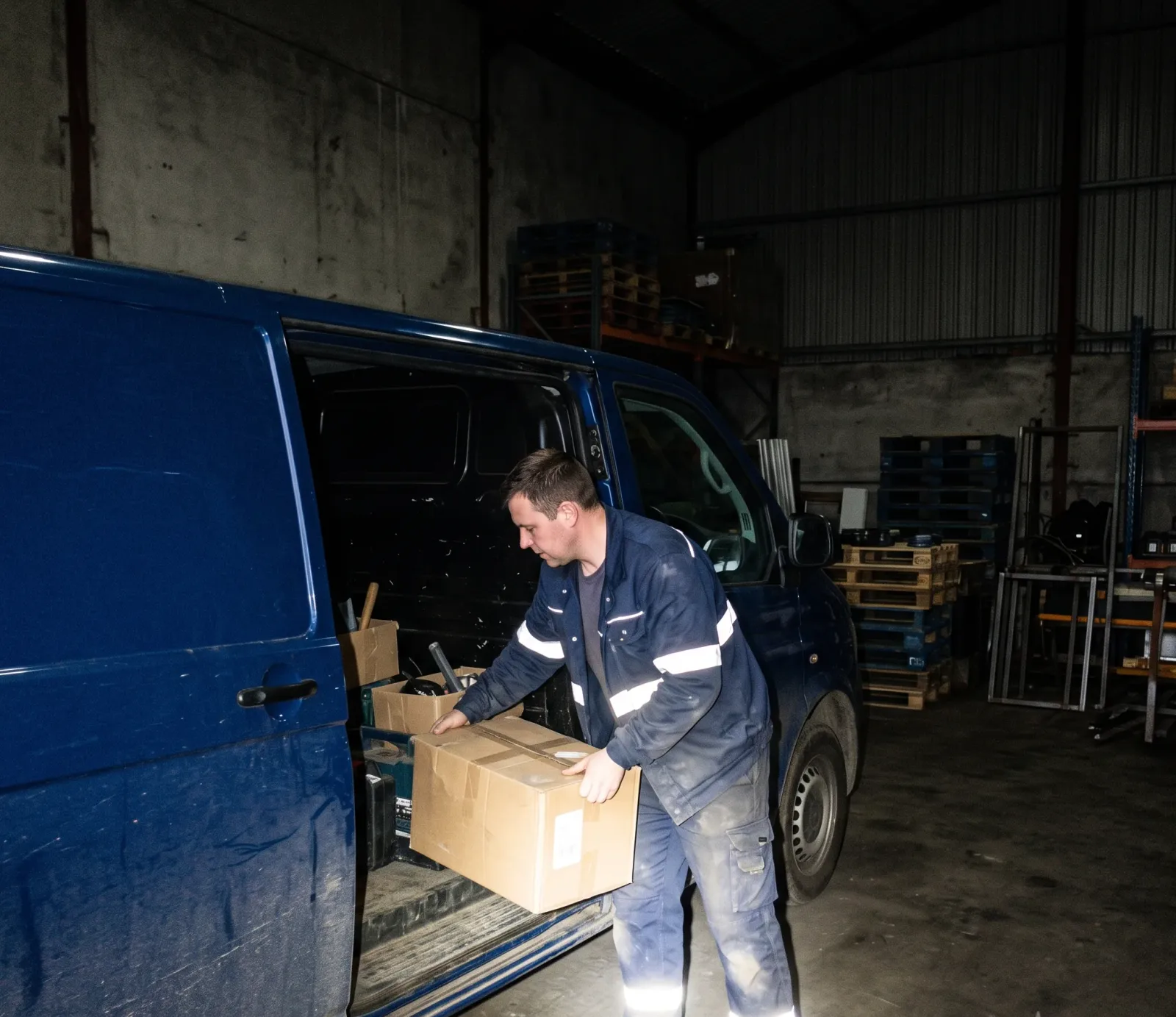
Plan warehouse water extraction in Concord around mapped floor zones, equipment limits, stock, and operating access.
Mark pooled and damp zones on a facility floor plan, then add machinery, immovable stock, and access restrictions. Ask an independent extraction provider to review the work boundary, entry routes, timing, and records, and discuss separate moisture assessment after water removal.
Water across a warehouse floor can put people, stock, and powered equipment at risk. Keep staff out of pooled water if electrical safety is uncertain, and wait for qualified help to assess the area. In Concord, extraction planning starts with a clear picture of which floor zones are wet, what must remain protected, and where access needs to stop. That shared picture lets a facility contact and the pros we connect you with discuss a workable scope before equipment or inventory decisions disrupt the rest of the operation.
A useful floor sketch marks wet zones by bay or work area, then shows where water collects or where staff cannot safely inspect. Concord identifies flood hazards near rivers, streams, and drainage problem areas, but that does not establish conditions at a particular facility. The site map should reflect what staff can observe safely, while property-specific hazard information is checked separately. Clear zone labels help prevent a small visible pool from being mistaken for the full extent of water intrusion.
A floor plan also needs to show what cannot simply be shifted aside. Note fixed machinery, control areas, pallet rows, and inventory that requires an authorized handler; these can change the route and room available for extraction. If site access depends on U.S. Highway 52 or a particular loading entrance, include that constraint in the discussion without assuming a route is open. The point is to let the provider plan around the facility’s actual layout instead of treating every part of the floor as clear space.
Choose a facility contact who can explain entry rules, identify the affected zones, and reach people responsible for equipment and stock. That person can walk the map with the pros we connect you with and describe which doors, aisles, or work areas are available. At a Concord site, agree on who can grant access and who must be consulted before the work boundary changes. A single point of coordination helps keep instructions consistent as the affected area is reviewed.
Water close to powered machinery, wiring, outlets, or control panels calls for a firm access boundary. Staff should not cross pooled water to check a machine or move goods when electrical safety is uncertain; wait for qualified guidance. Mark the restricted zone on the facility map and tell the provider what equipment may be affected. A running machine or an apparently dry control surface does not establish that the surrounding area is safe to enter.
| Floor area | Site constraint | Access needs |
|---|---|---|
| Water boundaries | Wet floor edges and isolated pools | Mark affected limits on a floor plan |
| Local waterways | Rocky River, Coddle Creek, Irish Buffalo Creek | Check this property separately; nearby water does not establish exposure |
| Inventory access plan | Fixed units, controls, and service clearances | Flag areas needing safe isolation before entry |
| Stored goods | Stock on low shelving or pallets | Note items that may need moving or protection |
| Travel lanes | Forklift aisles and pedestrian paths | Mark routes to keep open or close temporarily |
| Entry points | Door widths, thresholds, and setup space | Note limits for hoses and extraction units |
| Operating windows | Active production areas and needed pauses | Coordinate workable periods with operations staff |
| After removal | Moisture may remain in building materials | Ask whether assessment and drying are separate |
Before work is arranged, define which mapped zones are included and what access the provider will need. For commercial water extraction, the affected footprint, floor conditions, obstructions, and handling limits can all shape the scope and cost. Ask what standing water removal covers, where work will stop, and which concerns require a separate assessment or service. A clear boundary helps the facility compare the proposed work with its operational needs without treating extraction as a repair or restoration.
During the work, note practical changes that affect coordination: a zone opened for access, a route temporarily closed, or a section that still cannot be entered. Keep those updates tied to the facility map so supervisors can make current scheduling decisions. If water removal reveals a concern outside the agreed area, pause to clarify the next step with the provider. This kind of running update helps prevent one team from reopening a space while another still considers it restricted.
Decide in advance who may authorize moving inventory, isolating equipment, or closing a work area. A shift lead may know the daily workflow, while another manager controls stock handling or machinery access; the facility should identify those roles before decisions arise. This is especially useful when the provider reaches an obstruction that was not clear from the initial map. A named decision-maker can resolve the issue without asking workers to improvise around wet floors or protected goods.
Extraction equipment needs a path to the water and enough room to be used safely. The provider can discuss whether pumps or wet vacuums fit the mapped areas, along with the access route, door limits, and places where hoses or equipment could interfere with work. At facilities near Coddle Creek, local geography alone does not tell staff whether a building is exposed; plan from observed site conditions and property-specific information. Keep the equipment discussion focused on the zones in scope.
Inventory handling should follow the facility’s authority rules, not a hurried guess about what is easy to move. Mark goods that staff may relocate, items that must remain in place, and stock awaiting a supervisor’s decision. That distinction gives the provider room to work while reducing the chance that an extraction route cuts through protected or unstable storage. If the water source or contents are uncertain, leave affected goods undisturbed until the appropriate people assess them.
Removing visible water does not show whether flooring, stored materials, or other building components still hold moisture. Once extraction is complete, ask whether a moisture assessment is appropriate and whether drying equipment is proposed as a separate step. The answer may affect which zones can return to use and what further coordination is needed. Keep the handoff clear: standing water removal addresses pooled water, while assessment and drying address moisture that may remain afterward.
The appearance of water cannot confirm its source or contents. If staff suspect sewage, chemicals, or another contamination concern, keep the area clear and tell the provider before work proceeds; cleanup for contaminated water is a separate scope. An active leak or other source also needs separate attention because extraction alone does not stop new water from entering. At a Concord property, use site-specific information rather than assuming nearby Rocky River conditions explain what happened inside.
Downtime planning should match the floor map to the work the facility must keep operating. Identify aisles that can close, routes needed for receiving or production, and the person who can approve a temporary change. If a section has to remain unavailable while water is removed or moisture is assessed, staff can redirect tasks before they reach a blocked area. A phased access plan may help coordinate work across zones, depending on the provider’s scope and the facility’s layout.
To arrange large facility water extraction, prepare the site address, a basic map of affected floor areas, access limits, and notes on equipment or inventory that cannot be moved. Then ask an independent extraction provider to discuss the proposed scope, entry needs, and any areas that require a separate follow-up. The pros we connect you with can use those details to understand the facility’s constraints. If Concord flood information is relevant, check the property itself rather than inferring exposure from its city or ZIP code.
Safety comes first: keep people out of flooded zones if electrical equipment or wiring may be wet, and wait for qualified help if the area may be unsafe. For a Concord facility, a floor plan can turn a broad cleanup into defined work zones: mark pooled water, damp edges, rack rows, machinery, and stock that cannot move. That lets operations staff discuss access and extraction boundaries before work starts. Ask what the estimate covers and what records will be provided. Water removal leaves moisture behind; assessment and drying may need separate planning.
A ranch, split-level home, or business can present different areas for water removal; check which county communities are within reach of the pros we connect you with, includingHarrisburg, Mount Pleasant and Midland. If the property is beyond the usual service area, ask whether the pros we connect you with can visit before arranging access.
A shop or office is commonly quoted for each visit, with affected floor area and the likely return schedule setting the baseline. $700–$1,400 is a guide; equipment access, furnishings that narrow work space, and whether water keeps entering can change the scope.For a Concord business, a wider wet area or difficult access can change the equipment and labor plan, which affects the estimate. When calling, describe which sections hold water, access routes, nearby machinery or contents needing care, and any active source so the pros we connect you with can size the work.Emergency Water Extraction cost ranges appear in pricing guide; commercial overview explains commercial removal and what may follow for damp materials.
Healthcare Extraction Planning
Campus Water Removal
Concord Restaurant Water Extraction
Use the facility’s own grid, such as column lines or numbered bays, and mark pooled water separately from surfaces that look damp. At a Concord site, note any floor drains and places where stock blocks visibility so the provider can review uncertain edges. Keep the sketch simple enough for shift leads to update as conditions change. It helps establish which zones need discussion before equipment enters.
Yes, if operations staff identify what must stay available and what can pause. Mark energized machinery, controlled areas, and stock that cannot be relocated; then agree on a safe path for hoses and equipment. A Concord facility can set access windows by zone so receiving or production can continue elsewhere. Confirm who can authorize entry and any temporary aisle closures before the provider arrives.
The estimate can vary with the floor area, surface, water depth, and obstacles that affect access. Dense racking or fixed machinery may slow work in one zone while open floor allows clearer access in another. For a Concord facility, share the site plan and identify areas that cannot be reached during the proposed window. Ask for the work boundary and any exclusions in writing.
No. Water can enter through one opening and collect elsewhere on the floor. Keep the extraction boundary clear in site notes, then ask whether moisture assessment and drying equipment will be discussed as follow-up work. In Concord, a facility should also check its own operating procedures before reopening affected zones. Repairing the source and other restoration work are separate scopes.
Sketch the wet zones, fixed equipment, stock limits, and usable routes, then review access and scope with an independent extraction provider.
Call (704) 209-7411